

Canvas vs Acrylic Prints: Soft or Glossy
One surface pulls your eye in with depth and saturation; the other lets it rest. The room's windows may have already made the choice for you.
Key Takeaways
- The post's verdict: choose acrylic if the image is a sharp, colorful photograph you want to feel present and you can give it a wall where light behaves; choose canvas if the image is soft or painterly, the piece is large, the room is bright with many viewing angles, or you want the art to lower the room's pulse.
- Everything acrylic gains in depth it pays for in reflections — on a wall facing windows it can act like a mild mirror, so hang it at ninety degrees to bright glass and keep lamps out of the mirror zone.
- Construction matters when shopping: quality acrylic is face-mounted to a separate print, while cheaper pieces are direct-printed on the back of the sheet and look thinner, with less depth and saturation.
- Acrylic is noticeably heavier than canvas at the same size and needs rated fixings set into solid structure, while canvas remains the lightest large format and is content with ordinary picture hardware.
- Clean acrylic like eyeglasses, with a microfiber cloth and water or a plastic-safe cleaner — paper towels, ammonia-based glass cleaner, and anything abrasive will scratch it; canvas wants only dry dusting.
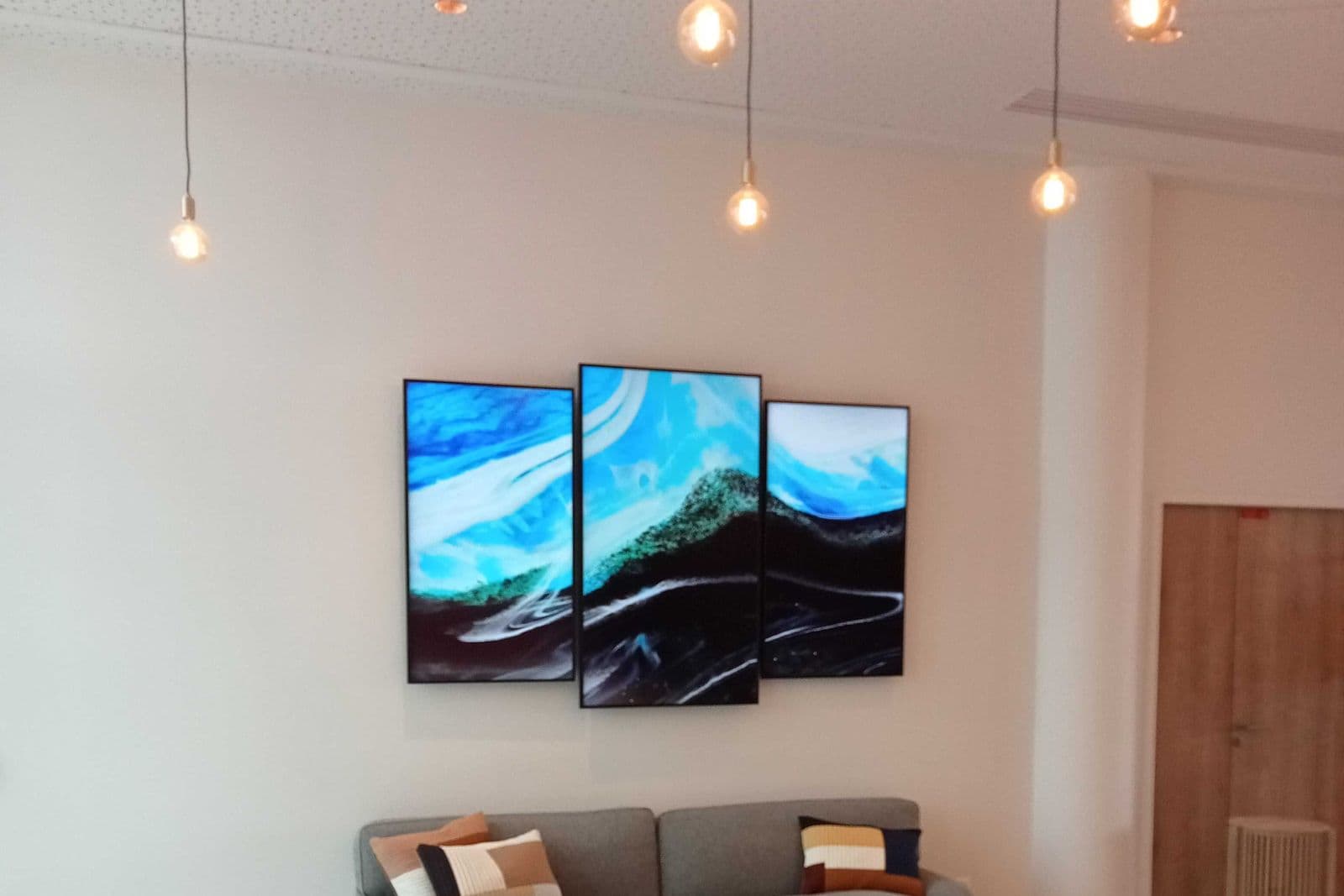
Acrylic is the showpiece surface: a photograph sealed behind a sheet of polished clear plastic, glowing with a depth no flat print quite matches. Canvas is its opposite in temperament — soft, matte, woven, deliberately quiet. Set canvas vs acrylic prints side by side and you are choosing a temperament, not a winner. Comparing the acrylic format with the canvas format is therefore less about which is better and more about which kind of attention you want a wall to pay your picture: acrylic draws the eye in; canvas lets the eye rest. Both are legitimate ambitions, and how all the print formats compare — paper, metal, wood, and peels included — is mapped in our formats overview. Here is how the materials actually behave.
What face-mounted acrylic is
In a quality acrylic print, the image is printed on photographic or fine pigment paper and then face-mounted — bonded with a clear optical adhesive to the back of a sheet of cast acrylic, commonly an eighth to a quarter of an inch thick. Light entering the acrylic is bent and trapped slightly by the material, passing through the polished edges and the clear depth before it reaches the image. That shallow tank of light is the famous acrylic depth: colors look saturated, blacks look deep, and the picture seems to sit behind glass in a gallery — because, materially, it does. A rigid backing panel and a float-mount frame usually complete the object.
One distinction matters when you shop: cheaper pieces are direct-printed on the acrylic’s back surface rather than face-mounted to a separate print. The result is thinner in every sense — less depth, less saturation, and colors that can look screened rather than luminous. If acrylic is the choice, face-mounting is the version that earns the format’s reputation; ask which construction you are being offered, because the two share a name and little else.
Canvas vs acrylic prints: depth and color
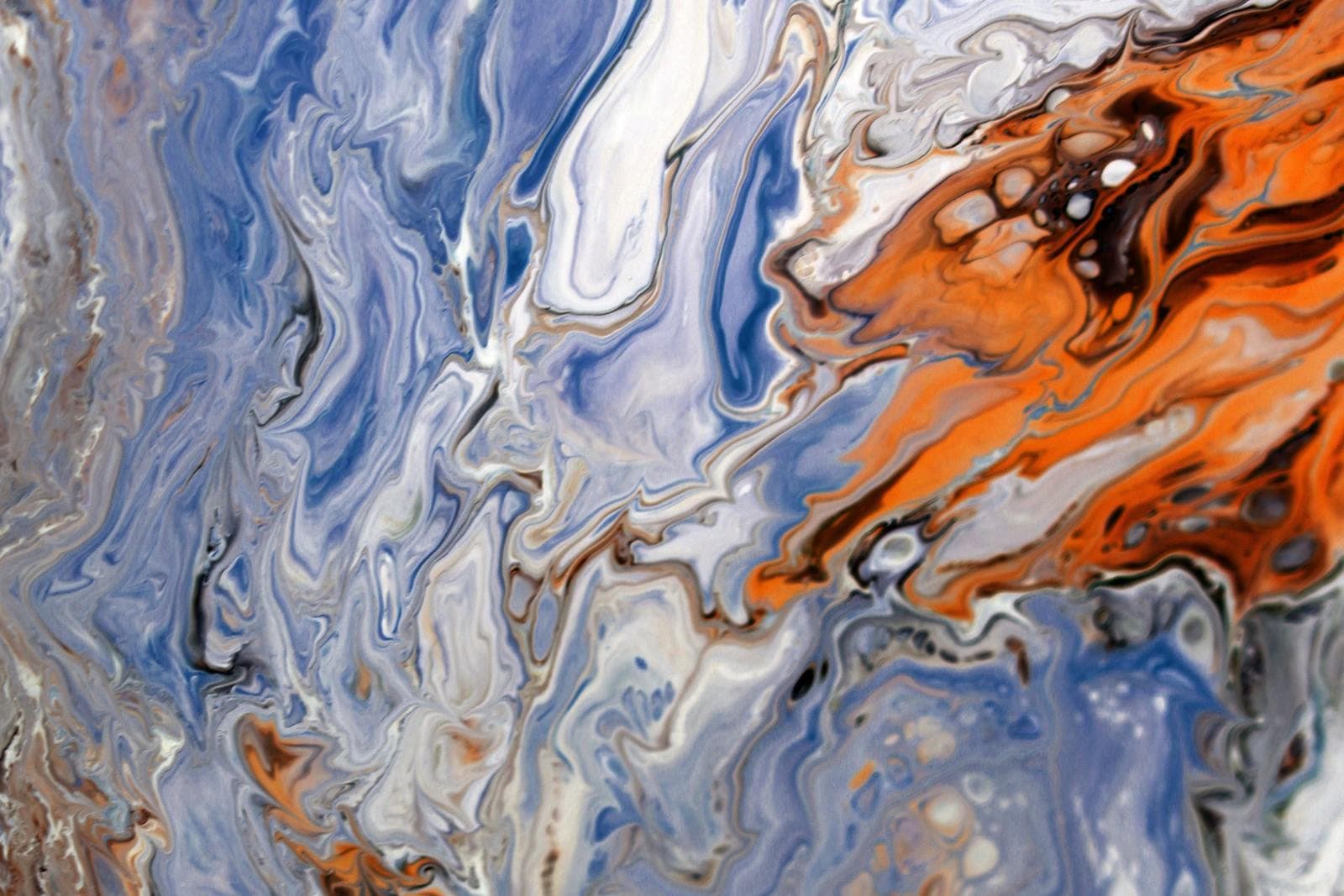
Acrylic’s strengths are saturation, contrast, and resolution. The smooth, protected surface renders the full sharpness of a high-resolution photograph — nothing is diffused by weave — and the clear layer adds a perceived vibrancy that makes tropical water look wet and night cities look electric. For images whose power is in their precision and their color, acrylic is the most theatrical faithful servant they can get.
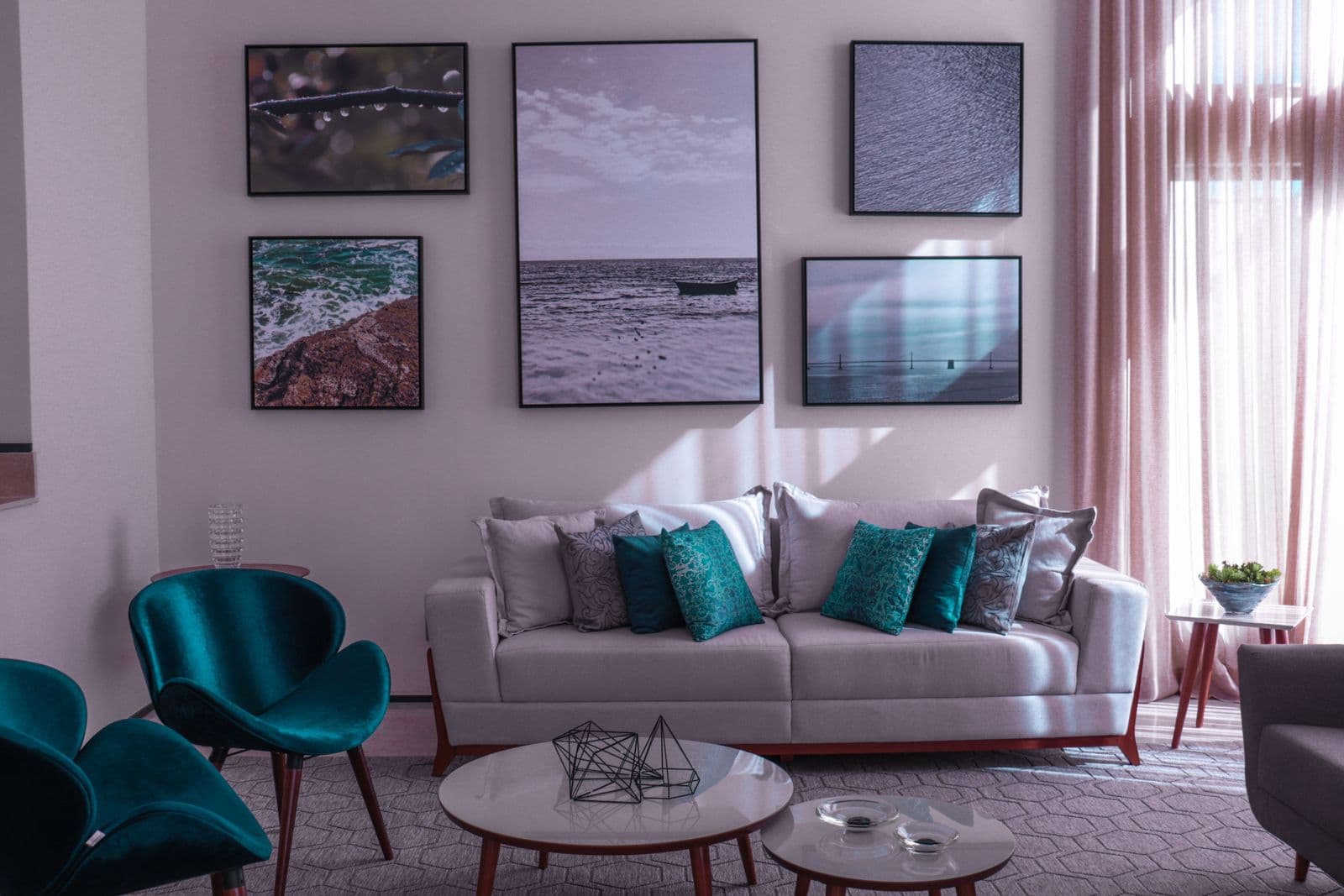
Canvas concedes that theater on purpose. Its pigment sits in a matte weave; the same photograph reads softer, calmer, and a step less saturated — which flatters images that are already gentle and can make shrill ones bearable. Where acrylic behaves like a window you look through, canvas behaves like a painting you look at. Rooms have uses for both kinds of object, sometimes on facing walls.
Glare: the honest trade-off
Everything acrylic gains in depth it pays for in reflections. A polished clear sheet over a picture is, optically, a mild mirror: windows, lamps, and bright doorways will appear in it from the wrong seats, and in a sun-washed room the reflection can sit on top of the image all afternoon. Placement is the whole game — acrylic thrives on walls lit by controlled or indirect light, opposite nothing bright, and it suffers on the wall facing a wall of glass.
Reflections can be managed, up to a point. Hang acrylic so its face is not parallel to a bright window; a wall at ninety degrees to the glass behaves far better than the wall facing it. Keep lamps out of the mirror zone — roughly, the cone between the light, the picture, and your usual seats. Anti-reflective acrylic finishes also exist and do genuinely cut glare, trading a whisper of the depth and saturation that made you want acrylic in the first place. Manage what you can, then be honest about what is left: some rooms simply reflect too much for a polished surface, and no mounting trick changes that geometry.
Canvas simply does not have this problem. A matte textile reflects almost nothing, reads from any seat in any light, and is the dependable choice for bright rooms, wide seating arrangements, and walls whose lighting you do not control. If you are choosing one piece for a room you have not finished furnishing, canvas is the lower-risk surface precisely because it asks nothing of the light.
Weight, hanging, and cleaning
Acrylic, a rigid backing, and mounting hardware make a finished acrylic print noticeably heavier than a canvas of the same dimensions, and at large sizes the difference decides the hanging job: wall fixings must be rated for the load and set into solid structure, and two people on the ladder is the sensible crew. Canvas remains the lightest large format there is, content with ordinary picture hardware.
Cleaning splits the same way. Acrylic’s exposed face shows fingerprints and attracts dust by static; it cleans beautifully with a microfiber cloth and plain water or a plastic-safe cleaner, but it scratches if you use paper towels, ammonia-based glass cleaner, or anything abrasive — the rules are closer to eyeglasses than to windows. Canvas wants only dry dusting and forgives almost everything except soaking. Acrylic is not delicate, exactly; it is specific, and it rewards owners who follow its short list of instructions.
The finished object: edges and presence
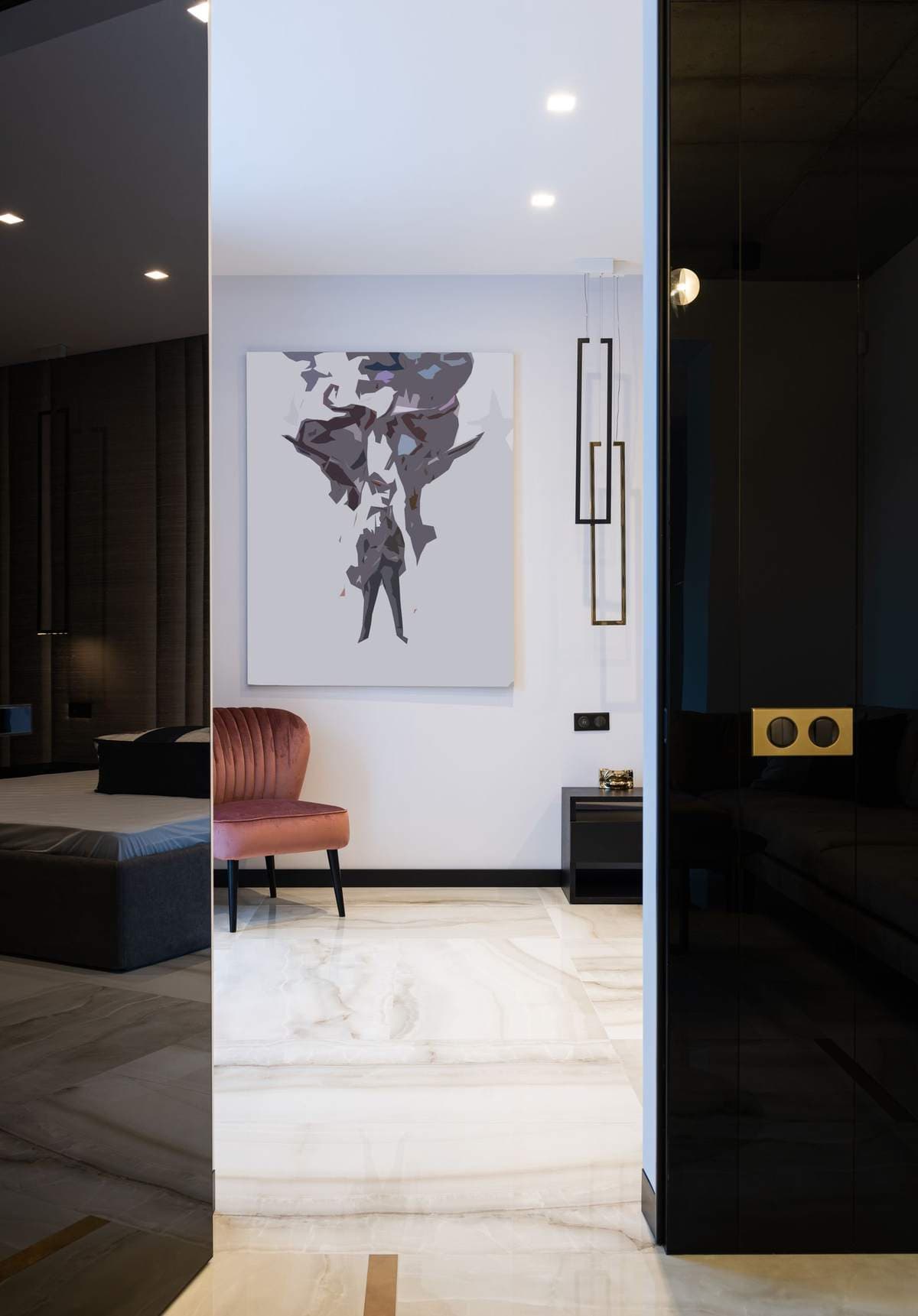
Look at an acrylic print from the side and you see its signature detail: the sheet’s edge, polished clear, glowing faintly as it catches the room’s light and carries it into the piece. Edge quality is a reliable tell of manufacture — a diamond-polished edge is water-clear, while a cheaply finished one is frosted or visibly machined. The object reads as a single slab of light and image, frameless by design; adding a frame to acrylic is possible but usually fights the point. A canvas print reads as depth and craft instead: the wrapped image turning the corner, the textile surface, the optional float frame. One object is optical, the other tactile, and rooms tend to know which one they are asking for.
Durability and aging
Cast acrylic is a stable material: it does not yellow with age the way older plastics did, it filters a portion of ultraviolet light before that light reaches the print, and a face-mounted print is sealed against air and handling entirely — the image itself is arguably the best-protected of any format’s. The surface’s enemy is purely mechanical: scratches from careless cleaning, and chips at a corner if the piece is dropped or knocked against stone or tile. Canvas ages the way textiles do — gracefully, by slow environmental degrees — and its print, protected by a surface coating, is more exposed to dust and touch than acrylic’s sealed one, though far easier to live with when a small mark does appear, since matte weave hides what polished plastic announces.
Cost follows the labor honestly in both cases. A face-mounted acrylic print is a chain of skilled steps — print, bond bubble-free under pressure, polish the edges, fit the backing and mount — and each step can ruin the piece, which is priced into the ones that survive. Canvas printing and stretching is a shorter, more forgiving chain. At the same size, expect acrylic to be the premium object and canvas the economical one; the premium buys optical depth, not durability bragging rights, and it is worth paying only when the room and the image will actually show that depth off.
Room by room
Acrylic belongs in modern, controlled interiors: media rooms, offices with deliberate lighting, entryways where a single saturated image plays greeter. In the bathroom its sealed, water-resistant face is a genuine asset against splashes and humidity that would trouble a fabric surface — though a small, steamy room will fog any polished surface temporarily, acrylic included; choosing bathroom wall art works through which formats survive steam, and where to hang them. Kitchens like its wipe-clean face away from the stove’s heat. Canvas owns the restful and the bright: bedrooms, sunrooms, and family rooms where light wanders and people view from sofas at every angle. Oversized pieces tilt toward canvas on weight alone; intimate, jewel-like photographs tilt toward acrylic on depth alone.
Canvas vs acrylic prints: deciding
The canvas vs acrylic prints decision reduces to this: choose acrylic if the image is a sharp, colorful photograph you want to feel present in the room, and if you can give it a wall where light behaves. Choose canvas if the image is soft or painterly, the piece is large, the room is bright and multi-angle, or you want the art to lower the room’s pulse rather than raise it. The mistake to avoid is choosing acrylic’s glamour for a room whose windows will spend all day reflecting in it — the one failure mode no quality of manufacture can fix. Match the surface to the light first, and the picture will take care of itself. Metal, the other hard surface, asks the same light question and answers it differently — canvas versus metal works through that pairing.
More in Formats & Materials

Continue exploring: Formats & Materials guides · All guides