

Wall Peels: Removable Art for Renters
No nails, no frame, and a clean exit when you leave — as long as the wall underneath is smooth, sound, and fully cured.
Key Takeaways
- A wall peel trades the permanence of framed art for freedom — no nails, no holes, no commitment — making it the natural format for renters, dorms, and fast-changing children's rooms, and a poor one for anyone decorating for the next twenty years.
- Peels also have a safety case: they weigh ounces and cling flat, with nothing to fall and no glass or rigid frame to break, which matters over a crib or child's bed and in hallways where shoulders brush the walls.
- They fail for physical reasons: fresh paint needs several weeks to cure before adhesive goes on, texture such as orange-peel, brick, or rough plaster lets edges lift, and adhesive can lift paint that is already peeling or poorly bonded — test an inconspicuous corner if unsure.
- Apply with patience: clean and fully dry the wall, mark a level line rather than trusting the ceiling, smooth downward and outward from the center, and work bubbles out toward the nearest edge.
- Remove slowly, folding the sheet back on itself at a shallow angle and using gentle hair-dryer warmth on a resisting section — and keep the liner if you plan to move the peel, since dust on the adhesive shortens its reuse life.
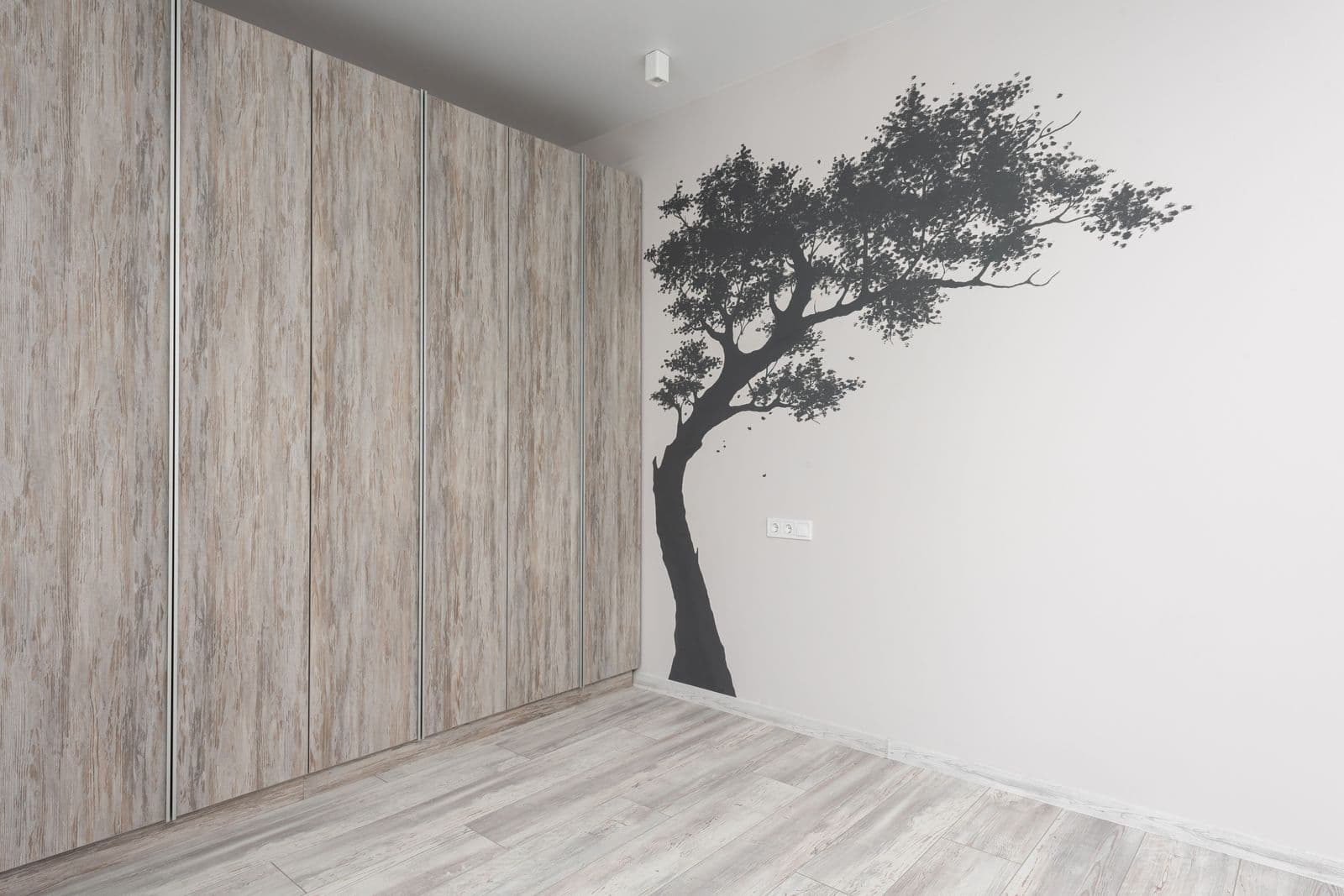
A wall peel is a full-size art print on a sheet of self-adhesive vinyl or woven fabric with a removable, low-tack backing: you peel off the liner, smooth the sheet onto the wall, and — when the time comes — peel it back off again. The wall peels format trades the permanence of framed art for freedom: no nails, no holes, no commitment. That trade makes it the natural format for renters, dorm rooms, and fast-changing children’s rooms, and a poor one for anyone decorating for the next twenty years — one format among the seven wall art formats, and the only one designed to leave. Knowing which side of that line you are on is most of the decision.
How wall peels work
The construction is simple. The image is printed on a matte vinyl or polyester fabric sheet; the back carries a pressure-sensitive adhesive formulated to grip painted walls firmly enough to stay flat for years, yet release without tearing paint from a sound surface. Better peels use a fabric-textured sheet that hides minor wall imperfections and reads more like printed cloth than plastic, under a matte finish that avoids the shiny look of cheap stickers. Most are repositionable during application — you can lift and re-lay a section while you work — and many can be removed and reapplied a limited number of times if the adhesive stays clean. Dust and fluff on the adhesive are the enemy of reuse: every removal onto a dusty floor shortens the peel’s remaining life.
Where peels shine
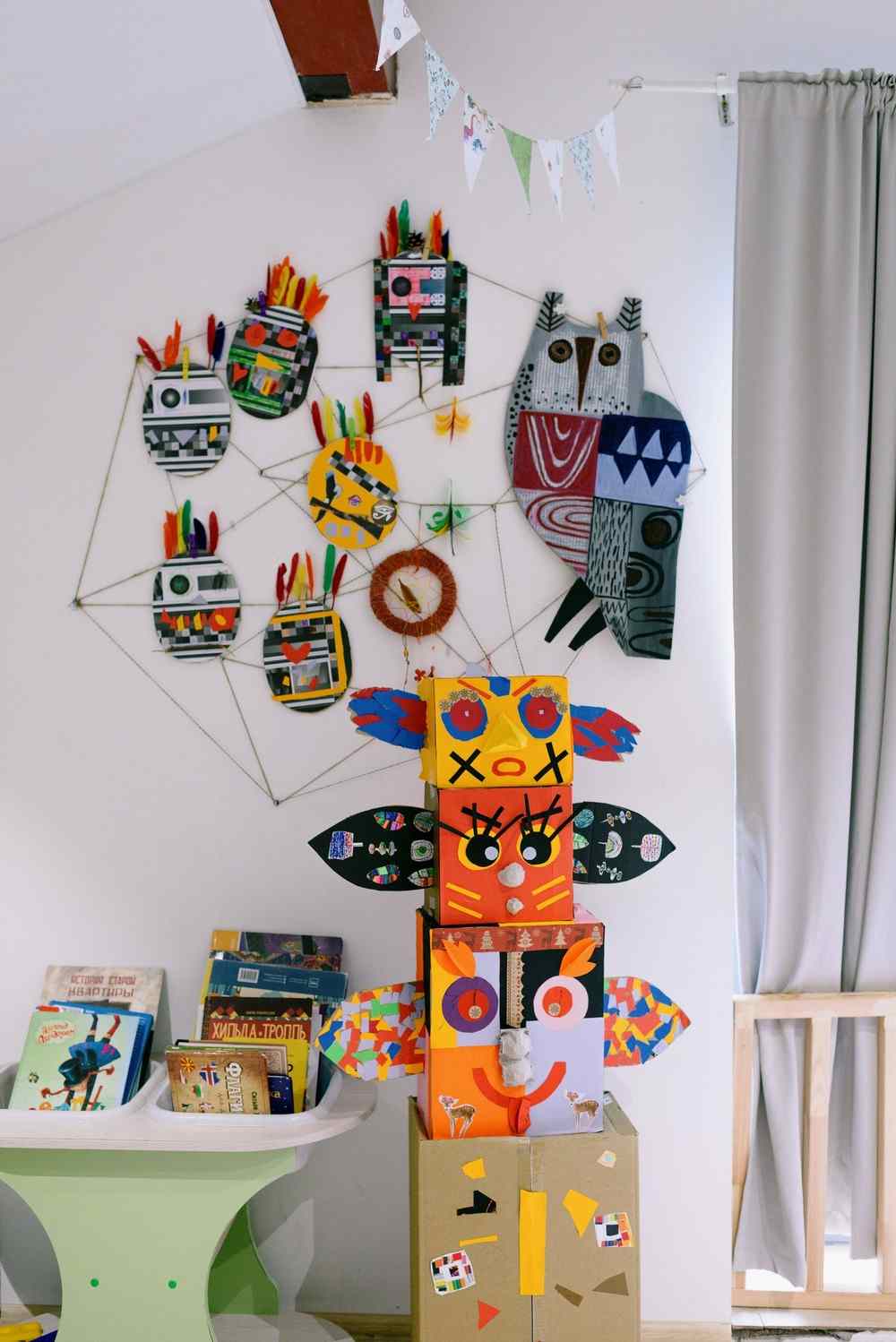
Renters are the obvious audience: a peel decorates a wall the landlord owns without a single hole, and comes down at move-out; the wider menu of deposit-safe decorating is our guide to rental-friendly wall art. Children’s rooms are the second home ground — a kids’ room can move from dinosaurs to space to maps at the speed of the child’s interests, at a fraction of the cost and effort of reframing art each time; choosing kids’ room art that grows with the child — safe, changeable, and not babyish by age seven — has its own guide. Dorms, rented offices, and short leases reward the same logic. Peels also earn their place as a testing tool: a bold pattern or an oversized mural you are unsure about can live on the wall for a season before you commit to paint, paper, or a large framed piece. And because a peel is nearly weightless, it can go where hanging hardware cannot — a hollow door, a thin partition wall, or above a bed where local rules discourage heavy hung objects.
There is also a safety argument that rarely gets made for peels and matters in exactly the rooms above: there is nothing to fall and nothing to break. A peel weighs ounces and clings flat, so it cannot slide off a hook in the night, and it contains no glass or rigid frame to shatter. Over a crib, a child’s bed, or a bunk, and in hallways where shoulders brush the walls, that flat harmlessness is a genuine property of the format, not a marketing line. It is the same property that makes peels the default in dormitories and rented rooms with rules about what may hang — rules written, in part, after things fell.
The surface limits, honestly
Peels fail for physical reasons, and they are worth knowing before you order. The adhesive needs a smooth, clean, fully cured surface. Fresh paint is the classic trap: paint feels dry within a day but cures over weeks, and adhesive applied to uncured paint can bond to it and pull it away on removal — most makers advise waiting several weeks after painting, and the paint maker’s stated cure time is the number to trust. Texture is the second limit: orange-peel and knockdown wall textures, brick, rough plaster, and paneled grooves all reduce the area the adhesive can grip, so edges lift and corners curl. Dirty, greasy, or dusty walls fail quietly over days. The third limit is the wall’s existing condition: adhesive releases cleanly from sound paint, but it can lift paint that is already peeling, bubbling, or poorly bonded — the peel is not at fault there, and the wall pays anyway. If you are unsure, test an inconspicuous corner first. High humidity and steam, as in a small bathroom, also work at the edges over time.
Applying a peel well
Good application is patience and order. Clean the wall with a dry or barely damp cloth and let it dry completely. Mark a level line for the top edge — walls and ceilings are rarely true, so trust the level, not the ceiling line. Peel back only the first stretch of liner, align the top, and smooth downward and outward from the center with a soft squeegee, a felt-edged card, or the flat of your hand, peeling more liner away as you go. Work bubbles out toward the nearest edge rather than chasing them across the sheet; a pinprick releases a stubborn bubble invisibly on matte material. Large peels and murals, which may arrive in several panels, are a two-person job: one holds and aligns while the other smooths. Keep the removed liner — if you plan to move the peel later, the sheet travels best stuck back on its own liner.
Removal, and what to expect
Removal is the reverse of application, and the format mostly lives up to its promise. Start at a corner, fold the sheet back on itself, and peel slowly at a shallow angle, keeping the removed part close to the wall rather than pulling outward. If a section resists, gentle warmth from a hair dryer on its lowest setting softens the adhesive and helps it let go. On sound, cured paint the wall should come away clean, and slight adhesive residue wipes off with a damp cloth. Do expect the outline effect: the wall under a long-hung peel has been shielded from light and dust, so a faint ghost rectangle can show until the wall is cleaned or repainted. And whatever any product claims, a lease with rules about wall coverings governs — read yours first, the same habit behind most of the common questions renters ask about decorating.
Panel murals and pattern repeats
The largest peels are murals, and murals arrive in vertical panels that hang side by side like wallpaper drops. The craft is in the joins: each new panel overlaps or butts against the last, the image must register across the seam, and a patterned design has to repeat at the right interval or the eye finds the mistake instantly. Hang the first panel dead level even if the wall corner is not — every later panel inherits its alignment, and a two-degree error at panel one is a visible drift by panel four. Work with the design’s repeat in front of you, and check the match at eye level, not from the ladder. Mural peels reward the same patience as wallpaper and punish the same haste, with one mercy: a misaligned panel can be lifted and laid again while the adhesive is fresh.
Set honest expectations about lifespan. A peel hung on a good wall in a dry room can look fresh for years, but the format is not built on the decades scale of framed art: edges are always the weak point, sunlight fades printed vinyl as it fades everything, and each removal and reapplication spends some of the adhesive’s grip. Clean a peel as you would the wall itself — dust it dry, wipe marks with a barely damp cloth, and never soak the edges. Bought with those limits in mind, a peel does not disappoint; it only disappoints when it is asked to be permanent.
Choosing wall peels on purpose
Wall peels are the right choice when the wall is borrowed, the taste is temporary, or the experiment is the point. It is the wrong choice for a forever wall, a textured wall, or a freshly painted one. Judged as what it is — competent, cheerful, reversible decoration — it succeeds on its own terms, and its terms are honest ones: it never pretends to be the permanent art it imitates, and it aims to leave the wall the way it found it.
More in Formats & Materials




Continue exploring: Formats & Materials guides · All guides