

Metal Prints: A Modern Surface for Photos
The image lives inside a hard coating rather than on top of paper, which is why this surface shrugs off steam, splashes, and passing hands.
Key Takeaways
- Metal prints are made by dye sublimation: heat turns the dyes to gas, which soaks into a polymer coating on aluminum and locks inside as the panel cools — so there is nothing at the edges to peel, bubble, or delaminate.
- Photographs and bold, graphic, high-contrast work are the format's home ground, while a soft, pastel, watercolor-style piece can come back harder and cooler than expected because the surface adds punch whether the image asked for it or not.
- Choose the finish by the wall, not the image: gloss gives maximum intensity but mirrors windows and lamps, while matte or satin trades a little intensity for a surface that tolerates bright rooms — test with a glass-framed photo held against the intended wall first.
- Watch dark images: deep shadows hold detail in good light but can merge into crushed shadows in a dim room, so a mostly dark picture wants a matte finish and a genuinely lit hanging spot.
- Care is the easiest in the house — a soft microfiber cloth, dampened if needed — but never scouring pads or powdered cleaners, and keep panels out of face-to-face storage, since the coating cannot shrug off a harder object dragged across it.
Metal prints are photographs or artwork infused into a coated aluminum panel — a slim, rigid sheet of metal with the image inside its surface coating rather than printed on paper and framed behind glass. It is the most modern-looking of the common formats: no visible texture, no mat, no glass, edges clean and frameless. The metal format suits images and rooms that like that precision. This guide explains how the prints are made, why their color behaves the way it does, and where the format’s real limits sit; how the surface stacks up directly against canvas — canvas and metal, head to head — is a separate comparison.
Dye sublimation: the image goes in, not on
Nearly all metal prints are made by dye sublimation. The image is first printed, in reverse, onto transfer paper using special dye inks. The paper is then laid against an aluminum panel that carries a clear polymer coating, and a press applies heat and pressure. The heat turns the dyes to gas, and the gas soaks into the coating; as the panel cools, the dyes are locked inside it. Two practical consequences follow. First, the image has real depth — light enters the coating much as it enters a glossy photograph, which is part of why metal prints look luminous. Second, the surface you touch is the coating itself, smooth and continuous, with nothing at the edges to peel, bubble, or delaminate.
Why photographs and bold color suit metal prints
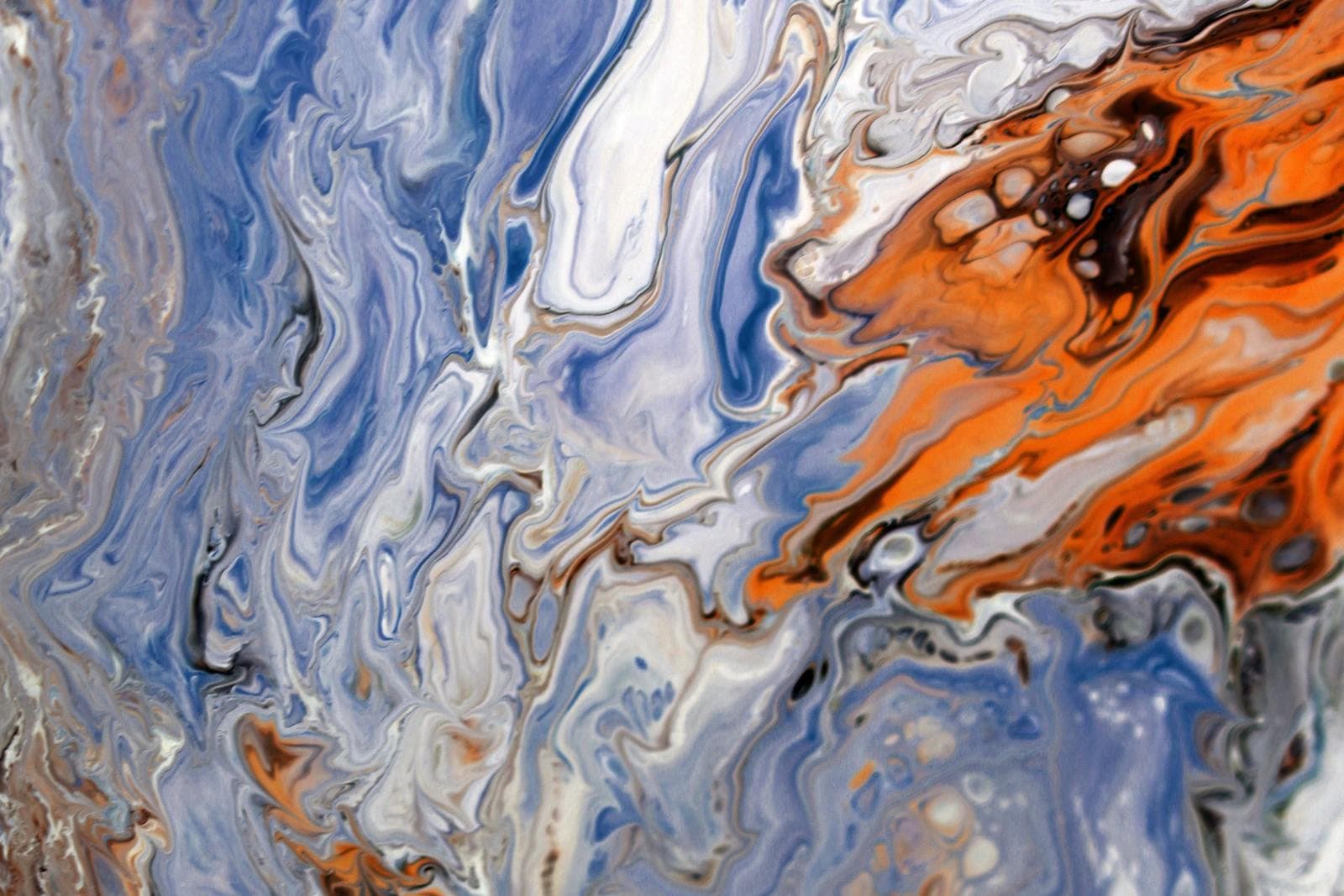
Dye sublimation onto a bright, white-coated panel reproduces saturated color and fine detail exceptionally well, and the glossy coating adds a contrast that makes images look sharp. That is why photography — landscapes in hard light, city scenes, seascapes, macro work — is the format’s home ground, and why bold, graphic, high-contrast art thrives on it. Quiet images need a second thought: a soft, pastel, watercolor-style piece can come back looking harder and cooler than expected, because the surface adds punch whether the image asked for it or not. Some panels carry a clear coating over brushed aluminum instead of a white base; on those, the lightest parts of the image show actual silver metal, which suits industrial and black-and-white work and surprises anyone expecting paper white.
Watch the shadows: how dark images behave
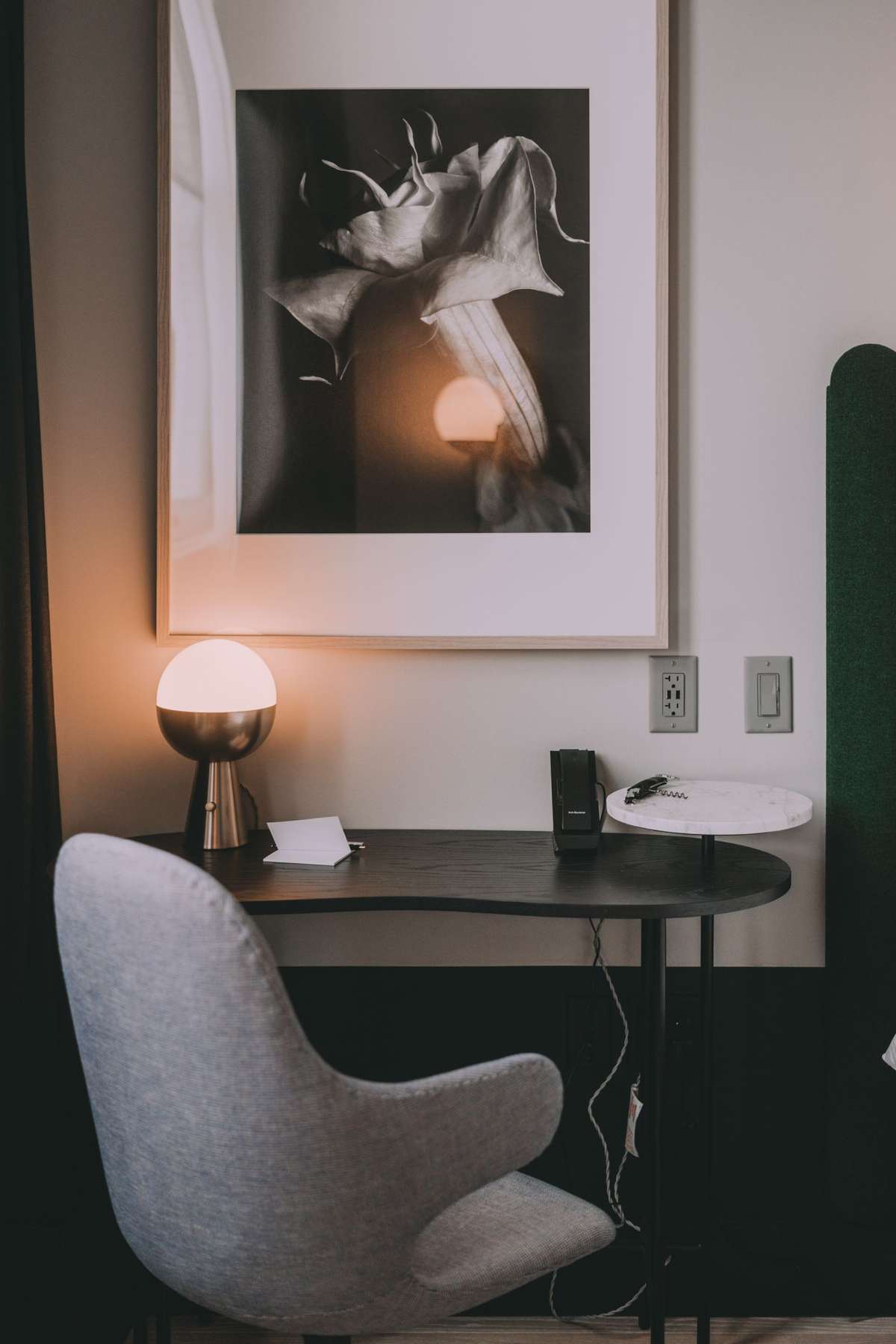
The same depth that flatters a bright photograph can tax a dark one. Deep shadow areas on metal hold their detail in good light, but in a dim room the glossy surface goes dark first, and near-black passages can merge into one another — the effect printers call crushed shadows. Night scenes, moody interiors, and low-key portraits are the images to think hardest about: they can look superb on a well-lit wall and murky on a corridor wall lit by a single bulb. If a beloved image is mostly dark, a matte finish and a genuinely lit hanging spot are the safer pairing, and it is worth judging the image with its shadows lifted slightly — an edit most print services can make — because the surface will push the darks back down a step on its own.
Gloss or matte: the finish decision
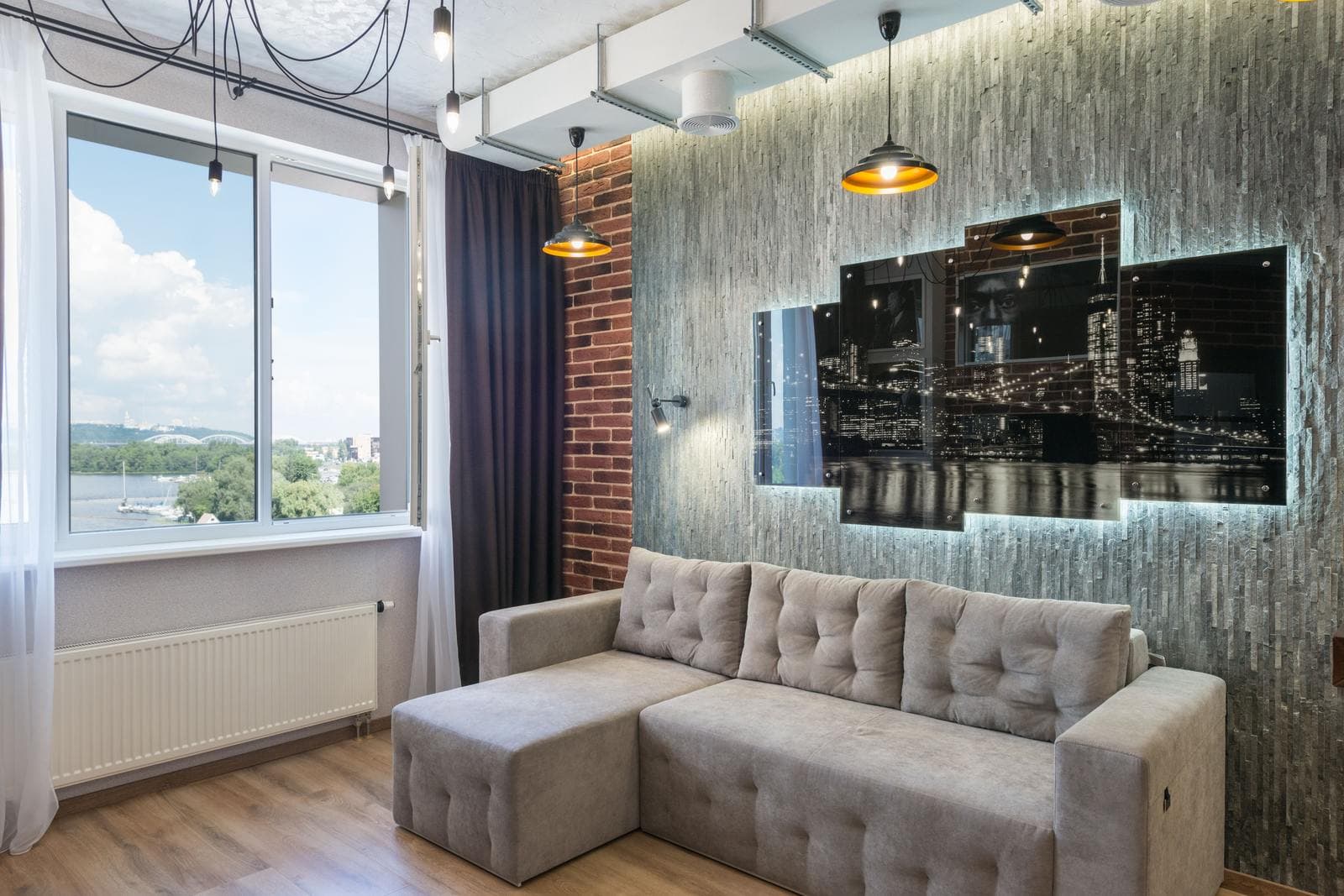
The main choice after size is finish. Gloss gives maximum color intensity and depth — and reflects the room: windows and lamps mirror in it, and in a bright room a gloss panel can act partly like a dark mirror from some angles. Matte and satin finishes trade a little of that intensity for a calmer surface that tolerates bright rooms and mixed lighting far better. Judge by the wall, not by the image alone: a softly lit wall can carry gloss beautifully, while a wall opposite large windows usually wants matte. Handling differs too — gloss shows fingerprints readily, matte hides them — which matters in hallways and busy rooms where hands pass close to the walls.
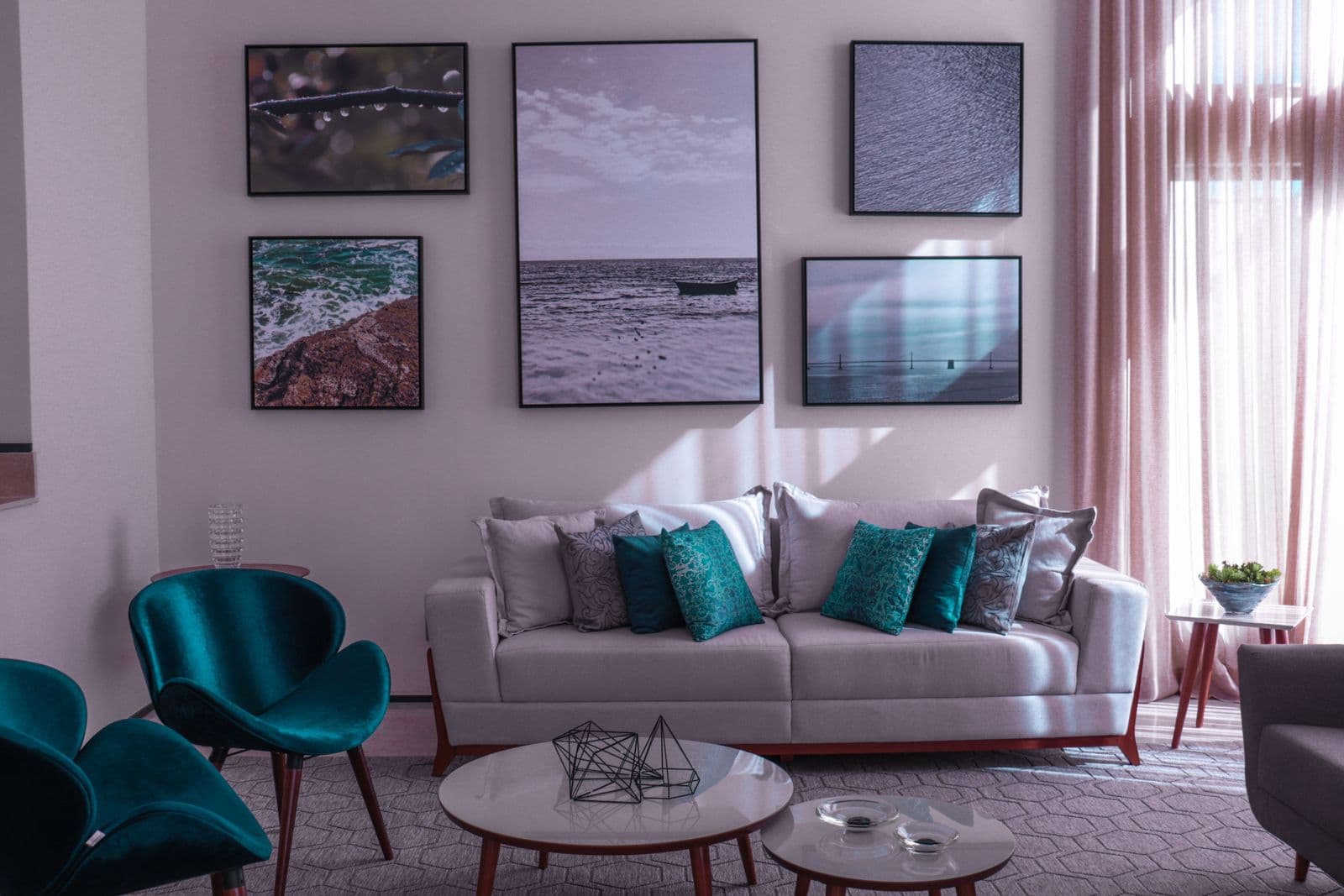
A simple preview settles most finish arguments before money is spent: take any framed photograph with glass in it and hold it against the intended wall at the intended height, then look at it from where people will actually sit and stand, at the hours the room is used. If the glass shows you the window instead of the picture, gloss metal will do the same; if the glass behaves, gloss will too, only brighter. Five minutes with the wrong object teaches more about your wall’s light than any description of finishes can.
The panel, the mount, and the edges
The panel itself is thin — a small fraction of an inch — and rigid, so a metal print hangs dead flat, with no canvas sag and no frame to collect dust along its top edge. Most hang from a float mount: a block or frame fixed to the back that holds the panel an inch or so off the wall and casts a clean shadow line behind it. Others use standoff posts through the corners, an overtly architectural look. Two handling notes are worth keeping. The edges and corners of an aluminum panel can be sharp, so carry large pieces with two hands and think before hanging one where small children run at head height. And while a panel is light for its size next to framed glass, a big piece is still a two-person hang if it is to go up level and unmarked.
Big panels, storage, and the long term
Rigidity is a quiet advantage at large sizes: a canvas can relax on its stretcher and a framed paper print can ripple behind glass, but an aluminum panel is the same flat sheet at eight inches and at sixty. Very large panels do need their float frame or bracing to be substantial — a big, thin sheet can flex slightly if it is only held at the center — so judge a large metal print partly by what is fixed to its back. Between hangings, store panels flat or upright with soft padding against the face, never face-to-face with another panel, because the one thing the hard coating cannot shrug off is a harder object dragged across it. Kept indoors and out of years of direct sun, a dye-sublimation panel is among the most stable ways to own a photograph: no paper to yellow, no glazing to separate, no canvas to re-tension.
Care: the easiest surface in the house
Because the image sits inside a hard coating, a metal print shrugs off conditions that worry other formats. Humidity does not trouble it, splashes wipe away, and the surface cleans with a soft microfiber cloth — dampened if needed, with a mild cleaner for grease. That toughness is why metal is a natural fit for a kitchen, a bathroom, or a hard-working hallway: steam, cooking film, and passing hands are maintenance events here, not risks — the room-by-room version of that argument is our guide to art that handles bathroom humidity. The limits are mechanical, not environmental. The coating can be scratched by metal or abrasive contact, so never use scouring pads or powdered cleaners, and do not lean other framed pieces against a metal print’s face in storage. Indoor lightfastness is strong, but years of direct sun will fade any dye — position a metal print as you would any print you want to keep.
Who should choose metal prints
Choose metal prints when the image is a photograph or bold graphic work, when the room is modern, bright, or humid, and when you want the flattest, crispest presentation available — art that reads as an object of precision; where metal sits among the other six is mapped in our overview of wall art formats. Choose something else when the image is soft, pale, and quiet, when the wall gets harsh raking light you cannot control, or when the room’s mood is built on texture and warmth, which this surface deliberately does not offer. Metal does not imitate the other formats. It is the format for people who like what a photograph looks like when nothing stands between it and the room.
More in Formats & Materials
Continue exploring: Formats & Materials guides · All guides