

Contemporary Wall Art: Art of Right Now
This is the one style defined by a date, not a look — work made now, out of now's tools and concerns, that asks to be discussed as much as admired.
Key Takeaways
- Contemporary is a timestamp, not a visual language: if a piece could only have been made recently — in its technology, subject, or argument — it is contemporary, whatever style it borrows.
- Expect bold scale, mixed media, and large-format photography hung like paintings; process is now part of what a piece is, so judge whether its tools are used with intent, not defaults.
- Hang it where a room can be interrupted — plain rooms, lofts, and open plans give a restless piece room to speak — and stage a single piece among antiques with total confidence or not at all.
- Protect against dating by buying the piece whose hold on you is specific, not the one that merely signals currency, and let walls change in layers rather than treating a piece as a vow.
Every other style in this series is a place you can arrive at. Contemporary is a date. Contemporary wall art means the art of the present moment — work being made by living artists, in conversation with the world as it is now. That makes it the most exciting category to buy from and the hardest to define, because the definition refuses to sit still. The contemporary art of 2046 will not look like the contemporary art of today, and a piece that is contemporary now will, in time, become a period piece. That is not a flaw. It is the whole appeal: a contemporary wall says something about when its owner was paying attention.
How it differs from modern
The confusion is built into the words. In everyday speech, “modern” and “contemporary” both seem to mean “new-ish” — but in art they name different things. Modern is a historical style: the modernist movements of the early and mid twentieth century left a settled visual language of geometry, clean line, and confident color, and work in that language is modern whether it was painted in 1930 or last spring. Contemporary is not a language at all. It is a timestamp. A sprawling digital collage, a photograph of a flooded street, a canvas woven through with neon — none of these share a look, but all of them are contemporary if they were made now, out of now’s materials and concerns.
The practical test when you are looking at a piece: ask whether it could only have been made recently. Does it use a current technology, answer a current event, remix a current image, or push at a boundary people are arguing about today? Then it is contemporary, whatever style it borrows. A perfect geometric abstraction in the modernist manner, by contrast, is modern in style even when brand new — its conversation is with a century-old movement, not with this morning.
What contemporary wall art looks like now
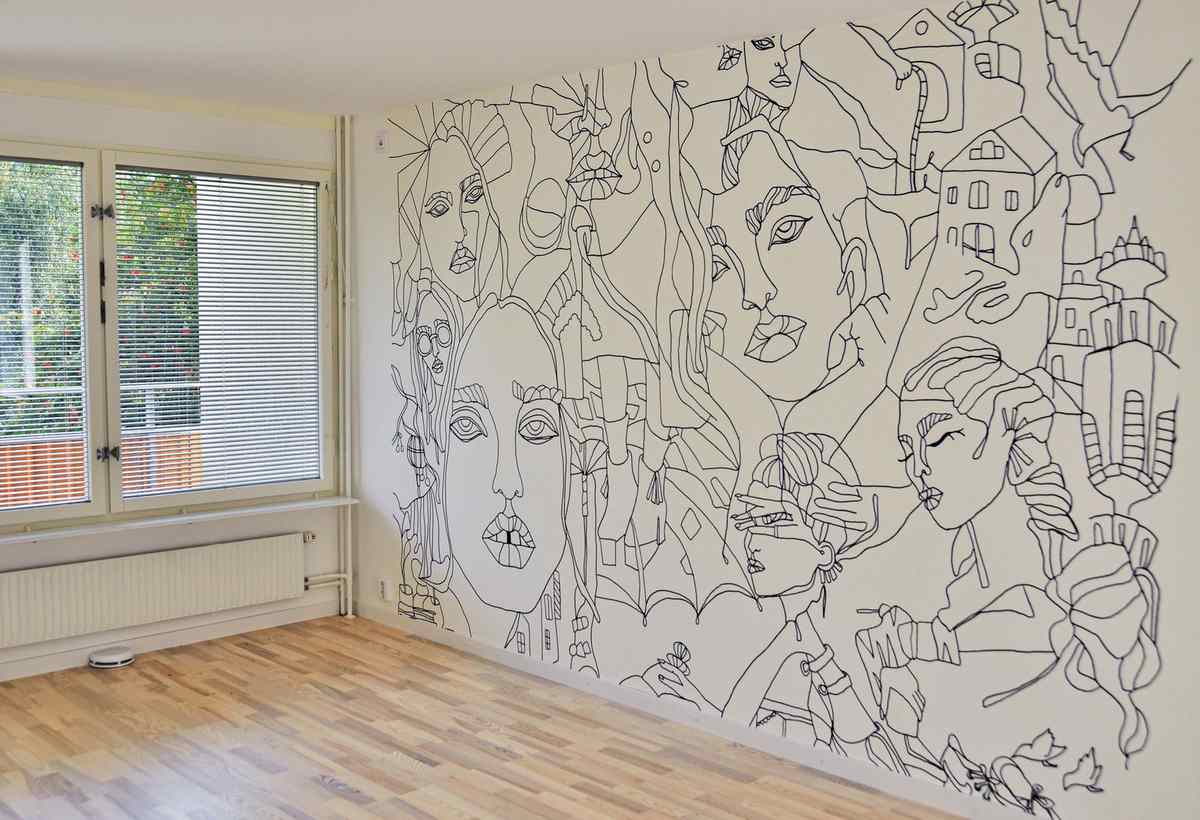
Because it is defined by time rather than form, contemporary art is deliberately various — but a few habits recur in the work filling homes at the moment. Bold scale is the first: contemporary pieces are frequently made large, on the assumption that one big gesture beats several small ones, and they are hung that way too. Mixed media is the second — paint over photography, print over collage, texture built up until the surface itself becomes part of the subject. A wall piece that is partly image and partly object is speaking a very current dialect.
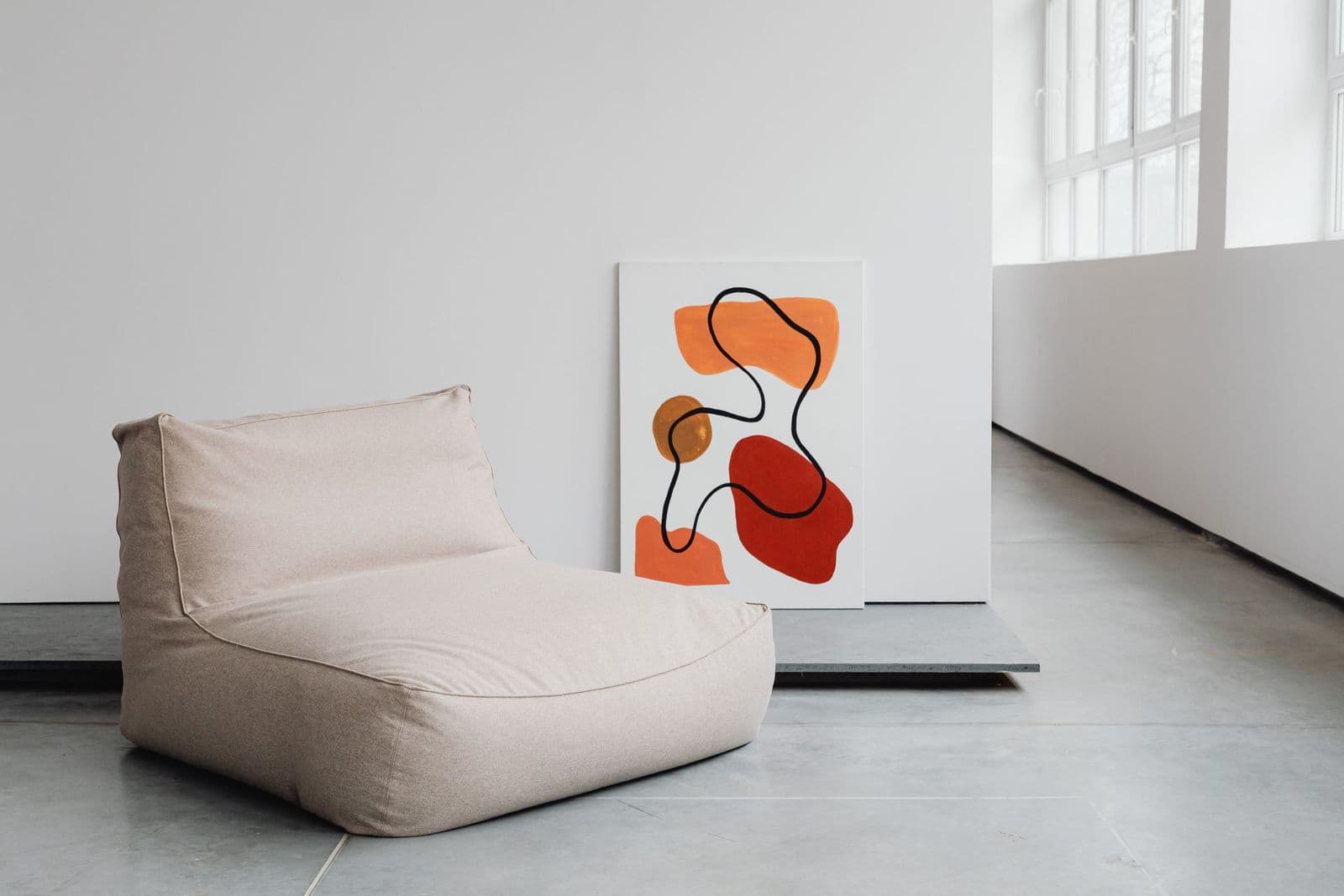
Abstraction with an edge remains among the most collected territories: the wider family of abstract art is where many contemporary painters work, though today’s versions often carry what the modernists left out — gesture, accident, visible process, colors that argue with each other on purpose. And photography as fine art has fully joined the category: large-format photographs, printed like paintings and hung like them, are now a default choice for a current interior rather than an experiment. The tradition it joined — work made by an artist pursuing an idea, and hung where people sit still to look — is the subject of our guide to fine art on the wall. Underneath all of it runs a willingness to be of the moment — street imagery, digital artifacts, popular culture, environmental subjects — that earlier styles would have considered too immediate to be art.
New tools, new kinds of picture
Part of what makes present-day art look different from every earlier period is that its toolbox changed. Contemporary pieces increasingly begin life digitally — composed in software, collaged from photographs and scans, drawn with a stylus — and are printed only at the end, at whatever size the wall wants. That workflow leaves visible fingerprints: razor-sharp detail at very large sizes, colors that sit outside what mixed paint easily does, imagery layered at densities no hand would attempt. Other artists run the current in reverse, using digital tools to plan work they finish in paint, so the surface looks traditional while the composition underneath is pure twenty-first century.
For a buyer, the honest consequence is that process is now part of what a piece is, the way brushwork always was. Two prints of the same dimensions can differ entirely in how they were made — one a photograph of paint, one a file that never existed as an object until it was printed for a wall — and neither route is the more legitimate. The question to ask of a contemporary piece is not whether a computer was involved; it nearly always was, somewhere. Ask instead whether the result uses its tools with intent, or merely with defaults.
The subjects of right now
Themes date a piece as surely as technique. Contemporary walls keep returning to a recognizable set of concerns: the city as it is actually lived — not the postcard skyline but the street corner, the transit map, the tower block at dusk; the natural world under pressure, pictured with a directness earlier landscape traditions avoided; identity and the body, in portraits that treat their sitters as authors rather than ornaments; and the imagery of the screen itself — interfaces, glitches, and feeds, quoted the way pop art once quoted the supermarket shelf. A piece need not carry any of these to be contemporary, but when a wall feels unmistakably of this decade, it is usually because one of these conversations is happening on it.
This is also why contemporary art suits people who read their own walls. A modern piece asks to be admired; a contemporary piece frequently asks to be discussed— it arrives with a point of view, and guests will find it. If your household enjoys that, the style will keep giving long after the first week. If you want walls that lower the room’s blood pressure, choose from the quiet end of the contemporary range — large-scale photography and restrained abstraction are fully current without raising their voices.
Where contemporary wall art hangs best
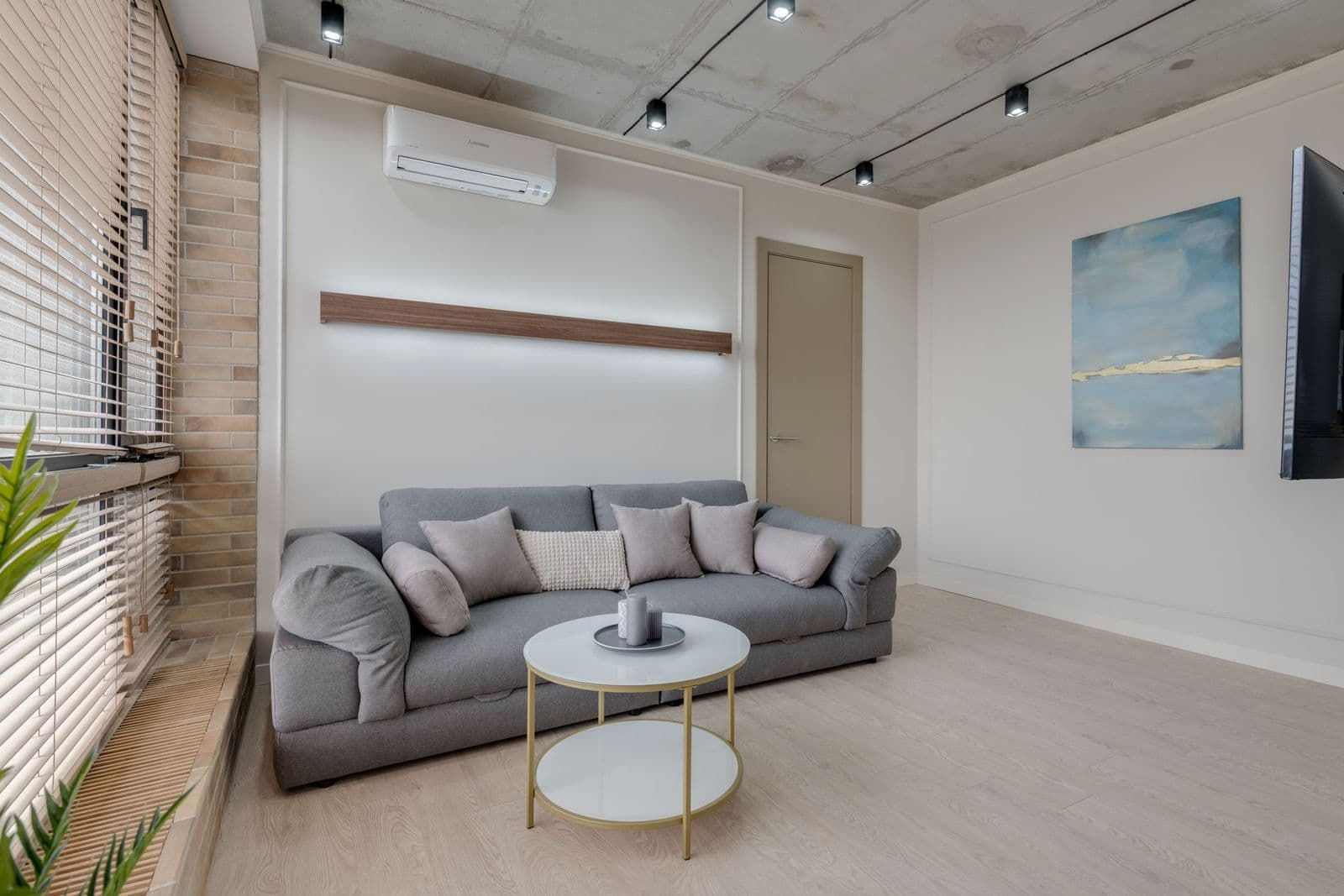
Contemporary work thrives where a room is willing to be changed by it. A large, restless piece over a quiet sofa does not match the room; it interrupts it, and the interruption is the energy the owner wanted. Loft-like spaces, open plans, and rooms with high ceilings take the scale contemporary art prefers. It also earns its place in deliberately plain rooms — white walls, simple furniture — precisely because plainness is a frame: the calmer the room, the louder a current piece can speak.
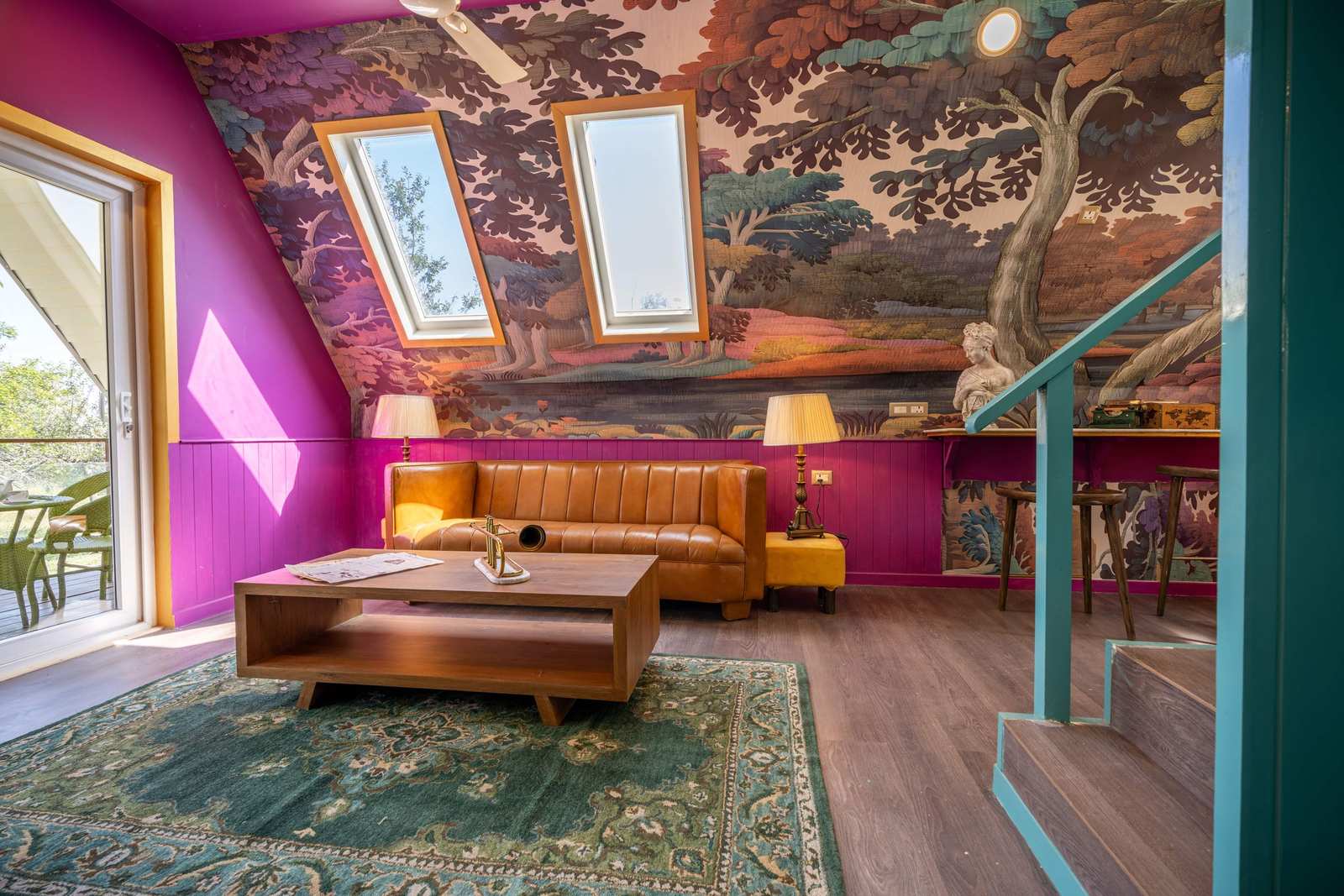
Rooms that resist it are rooms with a strong period identity of their own. A wall of antiques will usually out-argue a new piece, or be out-argued by it, and either way the conversation turns into a contest. The exception — and it is a thrilling one when it works — is the single contemporary piece hung among old things with total confidence, no apology and no companions. If you attempt that, give it the best wall and the most space; a confrontation staged well reads as taste, staged timidly reads as a mistake.
Choosing work that will age well
The honest risk of contemporary art is the one built into its name: some of it will date. Styles cycle, and the most fashionable gesture of one year can become the next decade’s punchline — decorators who lived through a wave of identical trend pieces know the feeling. Two habits protect you. Buy the piece whose hold on you is specific — the one you keep thinking about — rather than the one that merely signals currency; personal attachment outlasts fashion because it was never only fashion. And let your walls change in layers: a contemporary piece is not a vow. Part of the pleasure of buying art of the present is that the present keeps arriving.
When you are ready to look, the shop is where styles sit side by side — a useful way to feel the difference this guide has been describing. Put a modern piece and a contemporary wall art piece next to each other in your mind: one composed and settled, one restless and now. Neither is better. But they are not the same thing, and knowing which one your room is asking for is the difference between a wall that is decorated and a wall that is alive.
More in Style Guides

Continue exploring: Style Guides guides · All guides