
Canvas Print Quality: A Buyer's Field Guide
Two prints can look identical in a photo and age very differently. Checking the back, corners, and stretch tells you which one will still hang flat years later.
Key Takeaways
- Quality comes down to materials and construction you can check before you buy: the canvas fabric, pigment inks, a kiln-dried stretcher, a taut stretch, and a protective coating.
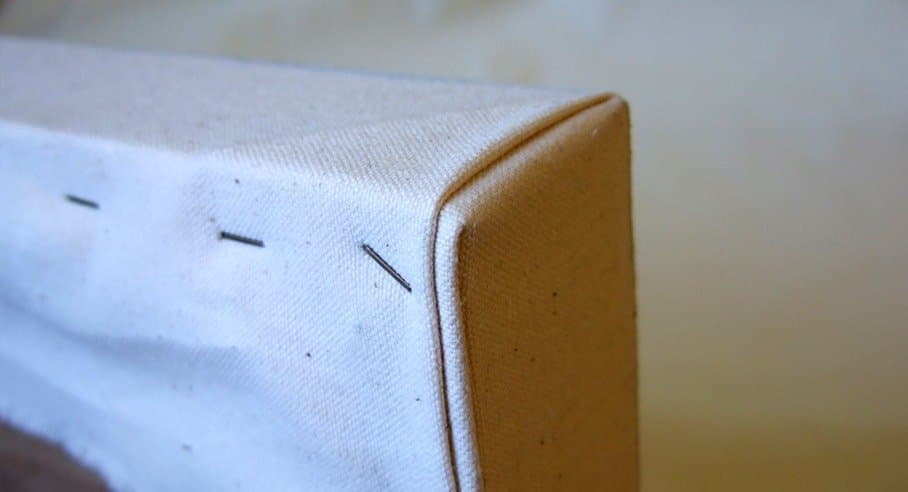
- Look at corners first: a quality wrap folds fabric into a flat, tidy pleat with no lump or fraying, while bunched corners signal rushed work and stop the piece sitting flush.
- Check the stretcher: kiln-dried wood stays straight, deeper bars around an inch and a half suit large pieces better than shallow bars around three-quarters of an inch, and large prints need bracing.
- Turn the piece over on arrival: look for even staples only in the back of the bars, neatly trimmed fabric, and hanging hardware already fitted and ready to hang.
- Weigh specifics over adjectives: gallery wrapped only describes the edge treatment, and museum quality and premium are adjectives without standards behind them.
Two canvas prints can look identical in a product photograph and be very different objects when they arrive. One hangs flat and taut for years; the other sags, twists, and fades by the second summer. What separates them is canvas print quality — a handful of materials and construction choices that are mostly knowable before you buy, if you know what to ask and what to look for; how a canvas print is made, step by step shows where each of those choices happens.
This field guide walks a canvas print from the outside in: the fabric, the print itself, the wooden frame underneath, the stretch and corners, the protective finish, and the back of the piece — the side nobody photographs and the one that tells you the most.
The canvas itself
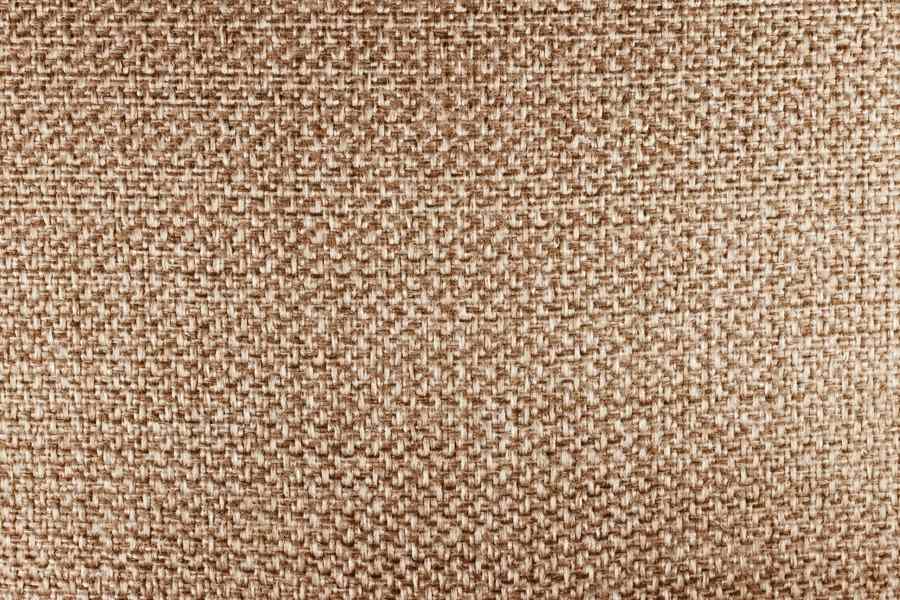
Print canvas is a woven fabric, most often cotton or a cotton-polyester blend, coated to receive ink evenly. Pure cotton has a natural, slightly irregular weave and a matte softness that suits photographs and painterly images. Blends tend to be smoother, whiter, and more uniform, and can hold crisper detail. Neither is automatically "better," but the weight and evenness of the fabric matter: a thin, loosely woven canvas shows the stretcher bars through its surface, ripples under tension, and feels flimsy in the hand. Quality descriptions usually state the fabric content and sometimes its weight. If a listing says nothing about the material at all, that silence is worth noticing — sellers who use good material generally say so.
The print: ink, color, and detail
Canvas prints are made with inkjet printers using either dye-based or pigment-based inks. Pigment inks sit on the surface in tiny particles and are the archival choice — markedly more resistant to fading and moisture over time. Dye inks can produce punchy color at lower cost but are the first thing to fade in a sunny room. A seller does not have to lecture you about ink chemistry, but "pigment" or "archival" in the specification is a genuine quality signal, and its absence on a premium-priced listing is a genuine question.
Color quality also depends on the file and the printer's color management — the unglamorous work of calibrating equipment so the red on screen is the red on canvas. You cannot inspect that from a listing, but you can judge the result when the piece arrives: skin tones should look like skin, skies should graduate smoothly instead of banding into stripes, and dark areas should hold detail rather than collapsing into a single black.
It also helps to understand what the weave does. Canvas texture is a slight softener: it takes the digital edge off an image, which flatters portraits and painterly subjects and is one reason canvas suits photographs from modest files — though how modest a file can be is a question of print resolution and viewing distance, not a magic DPI number. The trade-off is that extremely fine detail — tiny text, dense patterns, distant architecture — loses a little crispness compared with a smooth paper or metal print. A quality print is not hiding this; it is the nature of the medium, and sellers who describe canvas honestly describe the texture as part of the product, not a defect to discover.
The stretcher: the frame you cannot see
Underneath every canvas print is a wooden frame called a stretcher, and it does more for the piece's lifespan than any other component. Three things to look for:
- Kiln-dried wood. Properly dried timber stays straight. Undried or low-grade wood warps as it seasons in your home, and a warped stretcher twists the whole piece until it will not sit flat against the wall.
- Sensible depth. Stretcher bars commonly come in a shallow profile (around three-quarters of an inch) and a deeper gallery profile (around an inch and a half). Deeper bars look more substantial, hold large canvases flatter, and keep the fabric off the wall. For big pieces, depth is structure, not decoration.
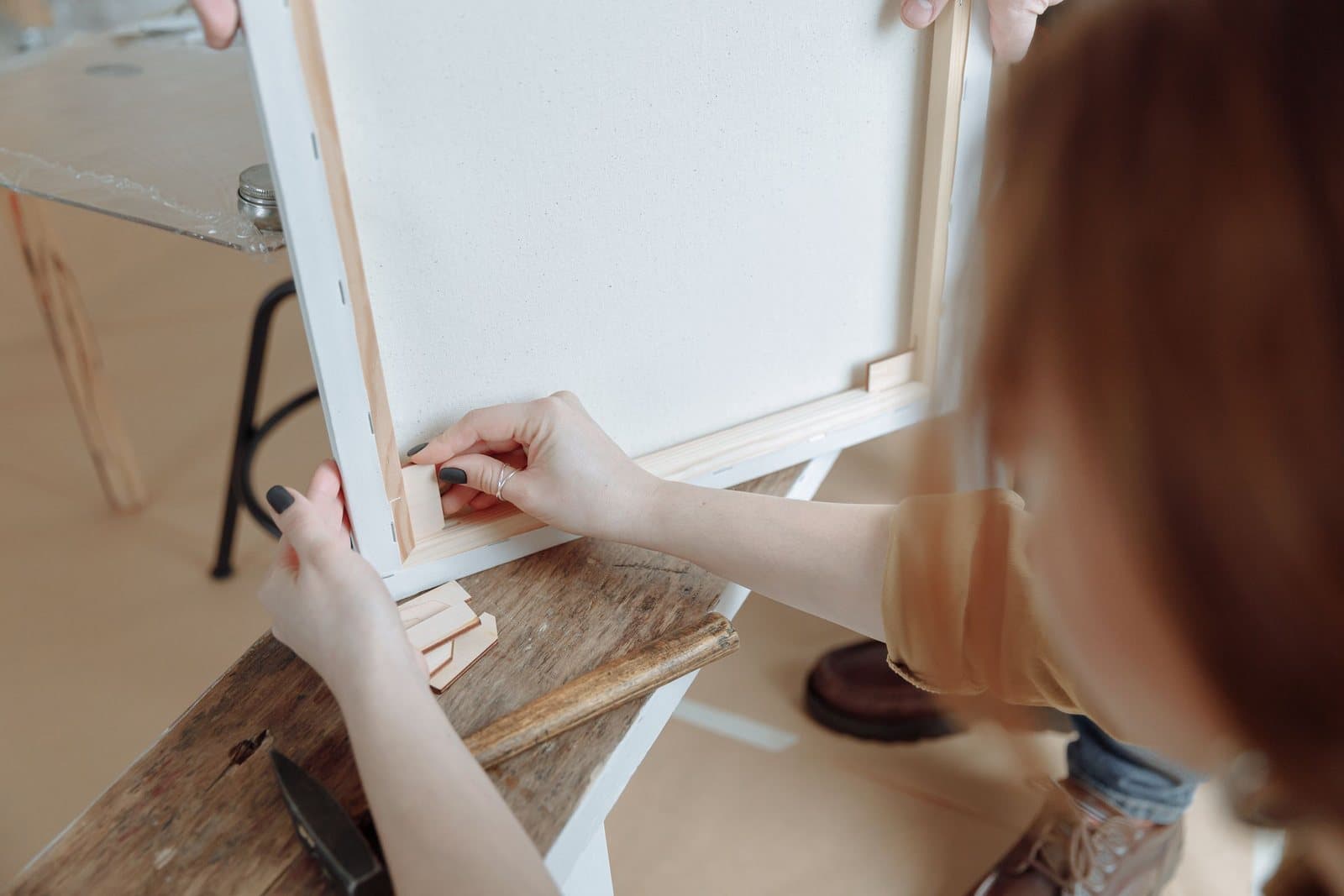
- Bracing. Large prints need cross-braces or a center support so the long bars cannot bow inward under the canvas's tension. If a very large print lists no bracing, ask.
Finger-jointed or engineered bars are common and perfectly respectable — what matters is that the wood is dry, straight, and rigid enough for the size it carries.
The stretch and the corners
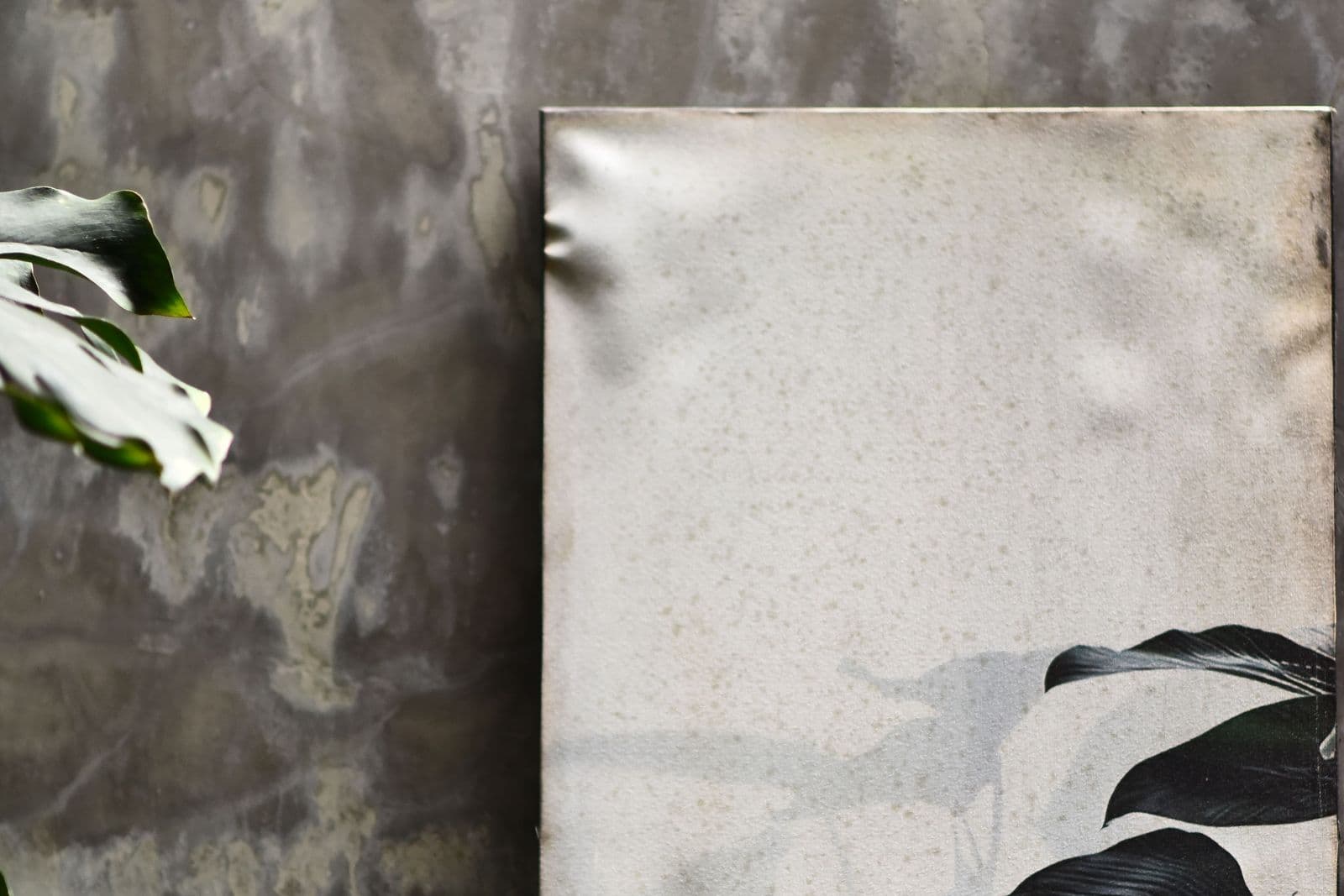
A well-stretched canvas is taut like a drum skin: press gently in the center and it should feel firm and spring back, with no ripples running to the corners and no slack "give" that makes the image wobble when the piece is moved. Loose stretching is the single most common quality failure, and it cannot be fixed at home without re-stretching the piece.
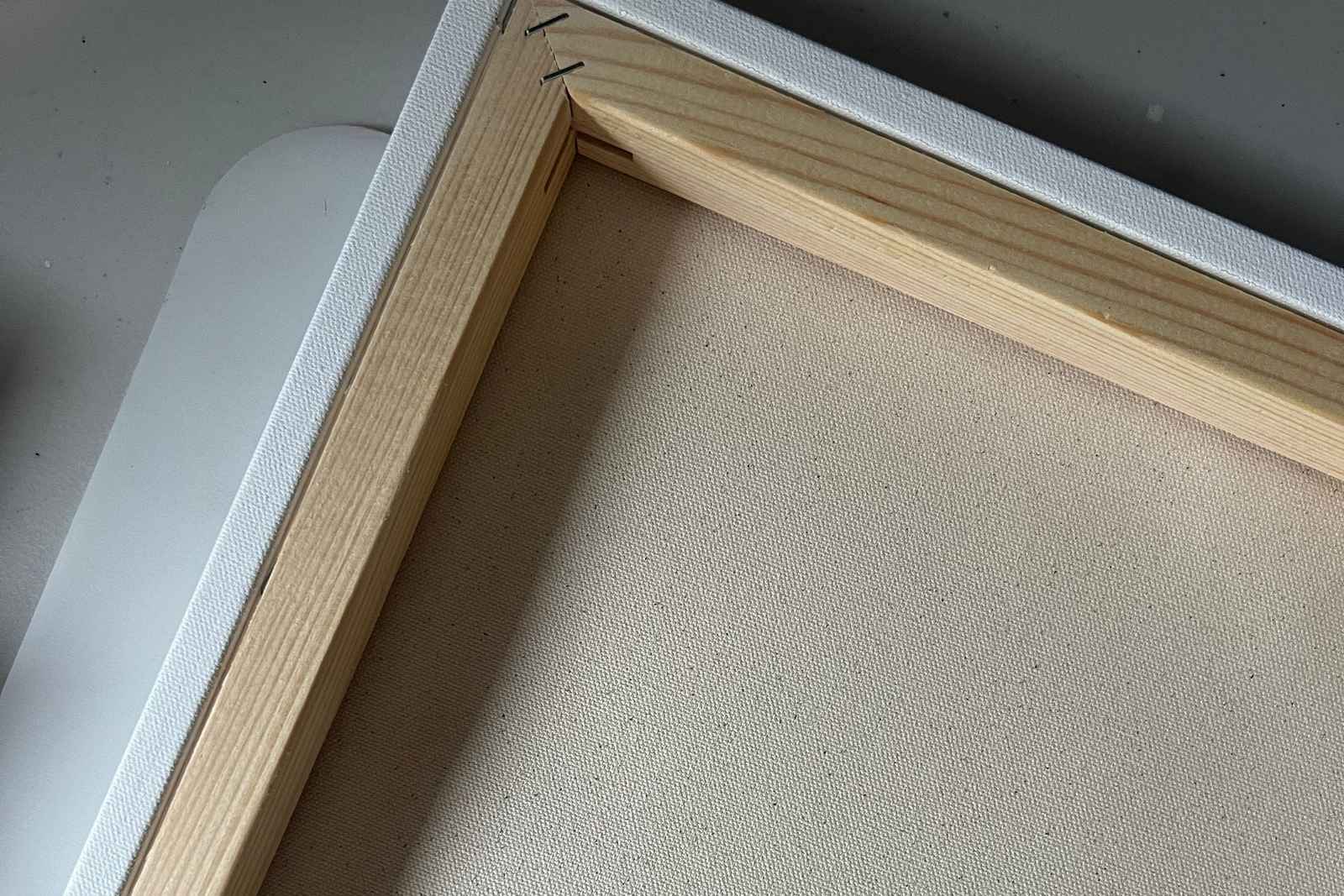
Corners are the craftsman's signature. On a quality wrap, the fabric at each corner is folded neatly into a flat, tidy pleat with no lump, no gap, and no cut fabric fraying at the fold. Bulky, bunched corners — sometimes called "dog ears" — mean the piece will not sit flush in a frame or against the wall, and they signal a rushed production line. When you shop in person, look at corners first; when you shop online, corners are a fair question to ask about and a fair thing to check the moment a piece arrives.
Why size stresses everything
Almost every quality weakness in a canvas print grows with size. A small print forgives: short bars cannot bow far, a light frame stays flat, minor ripples hide in a modest span. A large print is an engineering problem — long bars flex, gravity works on a wide sheet of fabric every hour of every day, and a frame that is a degree out of square shows it at the corners. This is why the questions in this guide matter most exactly when the piece is big and the price is serious: deeper bars, real bracing, kiln-dried wood, and careful stretching are not upsells on a large canvas. They are the product.
The finish: a quiet layer of protection
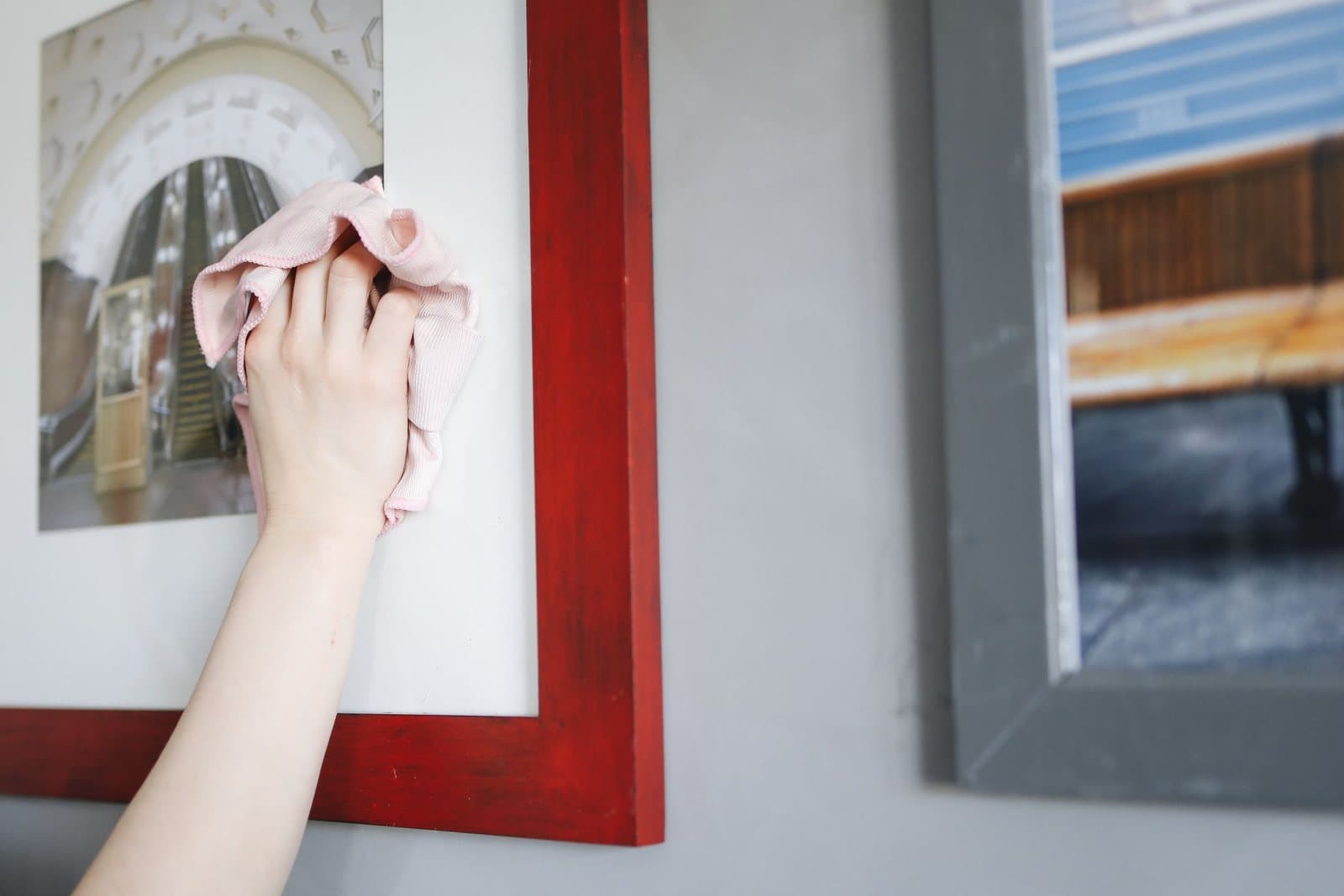
Good canvas prints receive a clear protective coating after printing. It does three jobs: it shields the ink from ultraviolet light, makes the surface resistant to scuffs and humidity, and lets you wipe the piece clean with a dry or slightly damp cloth. The coating also sets the sheen — matte, satin, or gloss. Matte is the traditional canvas look and the most forgiving of imperfect walls and bright rooms. A listing that mentions a protective or UV coating is describing real value; bare, uncoated ink on canvas marks easily and fades sooner — see how sunlight and ink decide a print's lifespan for the full picture.
The back of the piece tells the truth
Turn any canvas print over before you judge it. A well-made piece has a tidy back: staples placed evenly and only into the back of the bars (never through the wrapped edges where they would show), excess fabric trimmed neatly, and corners that lie flat. Some makers finish the back with paper or tape for a clean, dust-resistant result.
Most important of all: hanging hardware. A print that arrives with a fitted hanger — a wire, D-rings, or a sawtooth bracket already attached — is ready for the wall. A print that arrives with a bag of loose parts, or nothing at all, has quietly transferred the fiddliest part of the job to you. Ready-to-hang is a legitimate quality criterion, and "does it arrive ready to hang, with hardware fitted?" belongs on every buyer's question list.
Longevity: what the years do to a print
A canvas print ages at the speed of its weakest component. Ink fades first in direct sun — pigment inks and a UV-resistant coating slow this dramatically, but no print should live in a shaft of afternoon sunlight if you want its colors in a decade. Humidity is the second enemy: canvas is fabric, and fabric in a steamy, unventilated room can slacken or spot over time, which is why bathrooms deserve the formats question asked honestly rather than assumed away. The third is mechanical — every knock, move, and careless storage leans on the corners and the stretch. None of this makes canvas fragile; a well-made, well-placed print is a genuinely durable object. It makes the construction choices in this guide the difference between a print that ages gracefully and one that merely ages.
Judging canvas print quality from a product description
Product pages speak a dialect worth translating. "Gallery wrapped" describes the edge treatment, nothing more — it says nothing about wood, ink, or tension. "Museum quality" and "premium" are adjectives without standards behind them; weigh them at zero, and do the same with giclee printing until a seller names the inks and substrate behind the word. Specifics are the currency: fabric content and weight, stretcher depth and material, ink type, coating, bracing at large sizes, hardware included. A description that gives you five specifics is written by someone who expects inspection. A description that gives you five adjectives is written by someone who hopes you will not inspect. When a specific is missing, ask — and notice whether the answer is a fact or another adjective.
Checking canvas print quality when it arrives
- Sight along each edge: the piece should be flat, not twisted, and all four corners should touch a flat surface at once.
- Run your eye across the front in raking light from a window: ripples, sagging, or the outline of the stretcher bars showing through are all grounds to ask questions.
- Check the corners for neat, flat folds.
- Look at the back: even staples, tidy trim, hardware fitted.
- Check the image itself: colors true, no banding, no white specks where ink has missed the weave.
Green flags and red flags, in one place
Green flags: materials named specifically (fabric content, kiln-dried bars, stretcher depth); pigment or archival inks; a stated protective coating; bracing on large sizes; hardware fitted and ready to hang; a proof or file check before printing.
Red flags: no materials information at any price; prices that seem to require a permanent "sale" to make sense; no mention of what happens if a piece arrives damaged; hardware sold separately or left to you without saying so up front.
None of this requires expertise — judging canvas print quality requires only the habit of asking. The details in this guide are the same ones to weigh whenever you browse canvas prints or compare sellers in any catalog, and the questions that apply to every order are collected in our frequently asked questions. A canvas print you choose well is a ten-year object. Choose it like one.
More in Care & Print-Craft Quality
Continue exploring: Care & Print-Craft Quality guides · All guides