Blog
Page 3 of 6 — guides 37–54 of 108 in the library.
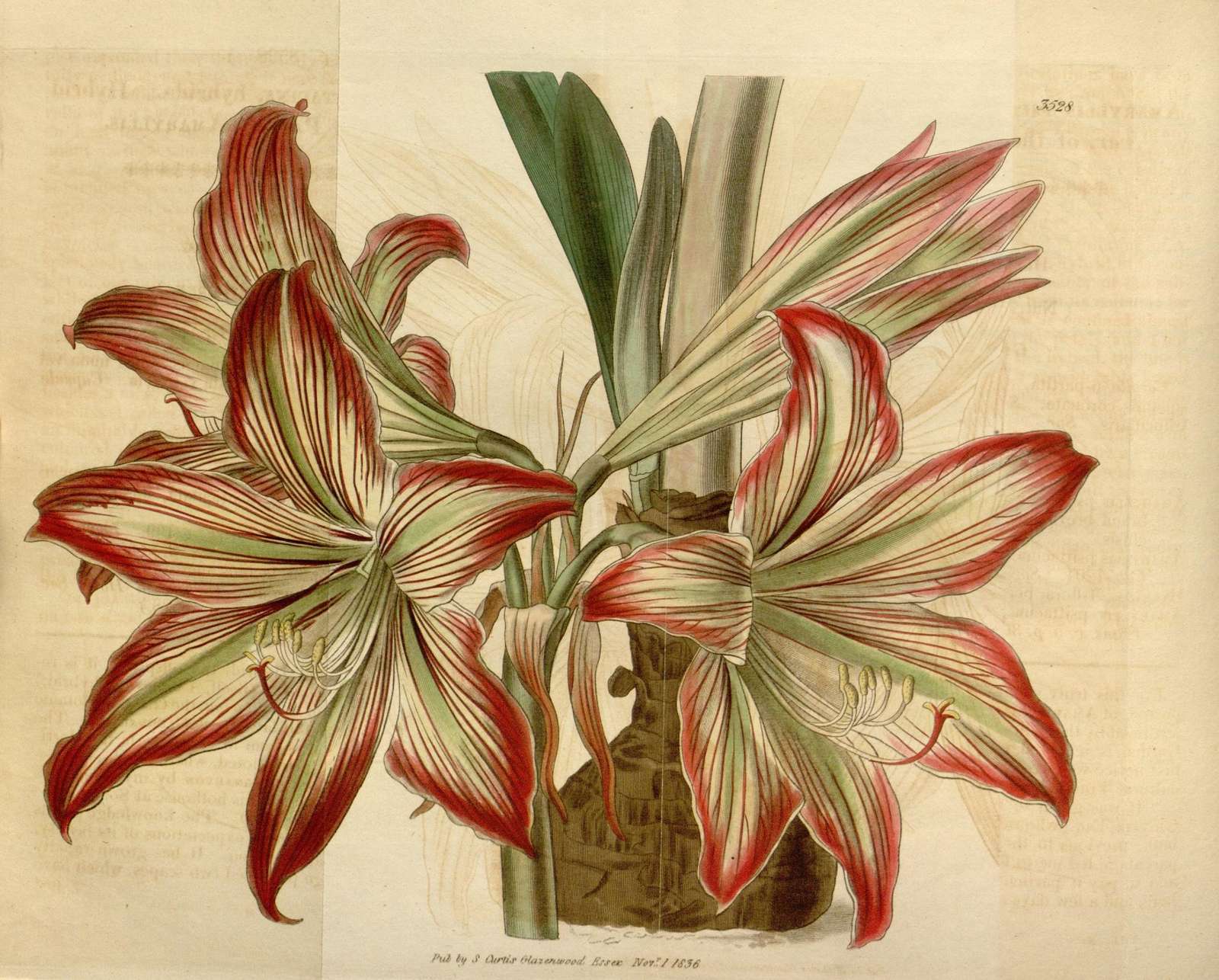
These plates began as science, not decoration, which is why they hold a wall so quietly. From vintage plates to single-leaf studies, here is how to frame and group them.
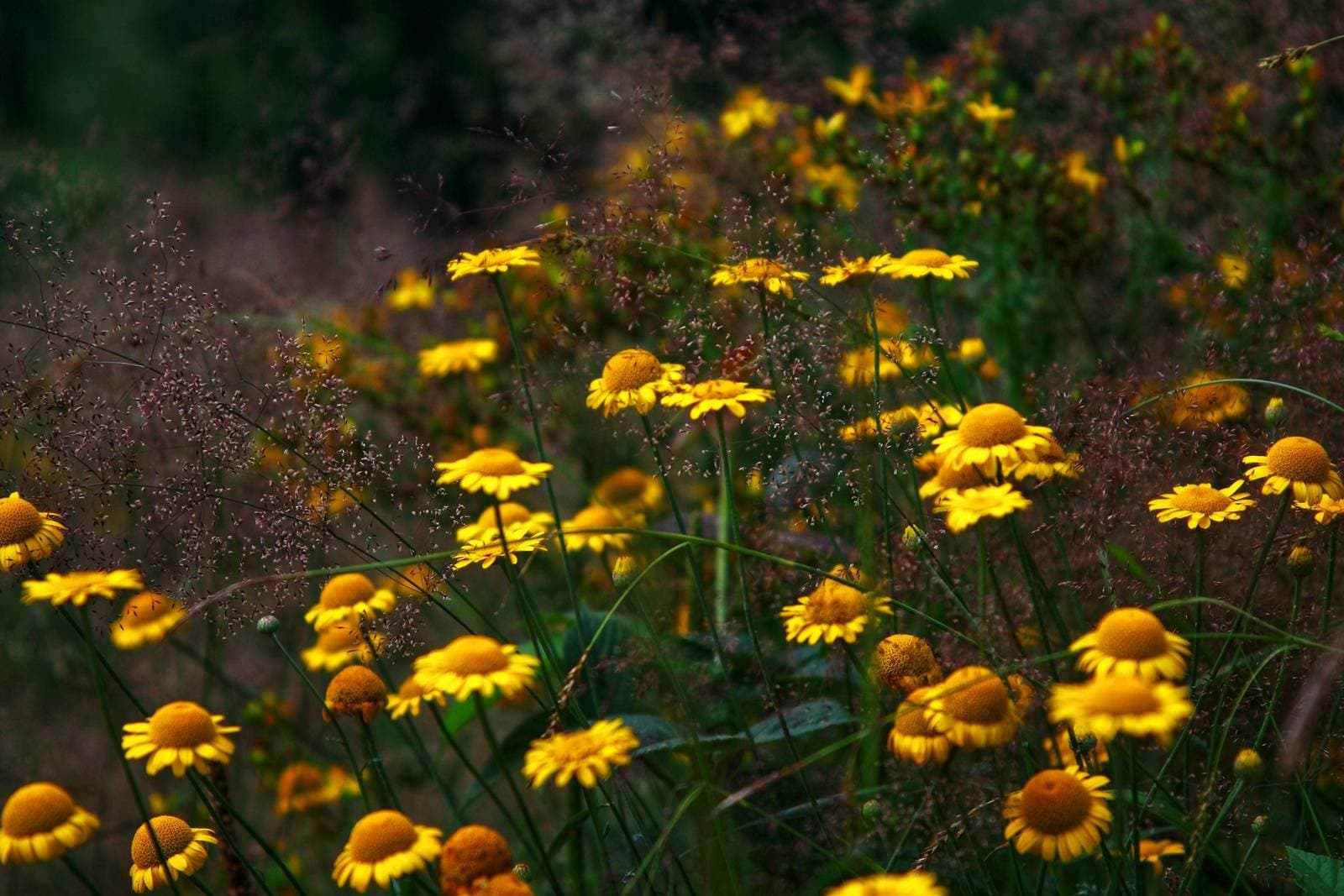
A wildflower picture feels found rather than arranged. Choose between a wide meadow and a single weathered stem, and pick the season your room will keep.
An animal on the wall looks back, so choosing one is closer to inviting a resident than picking a view. Portrait or in-the-wild, scale and temperament come first.
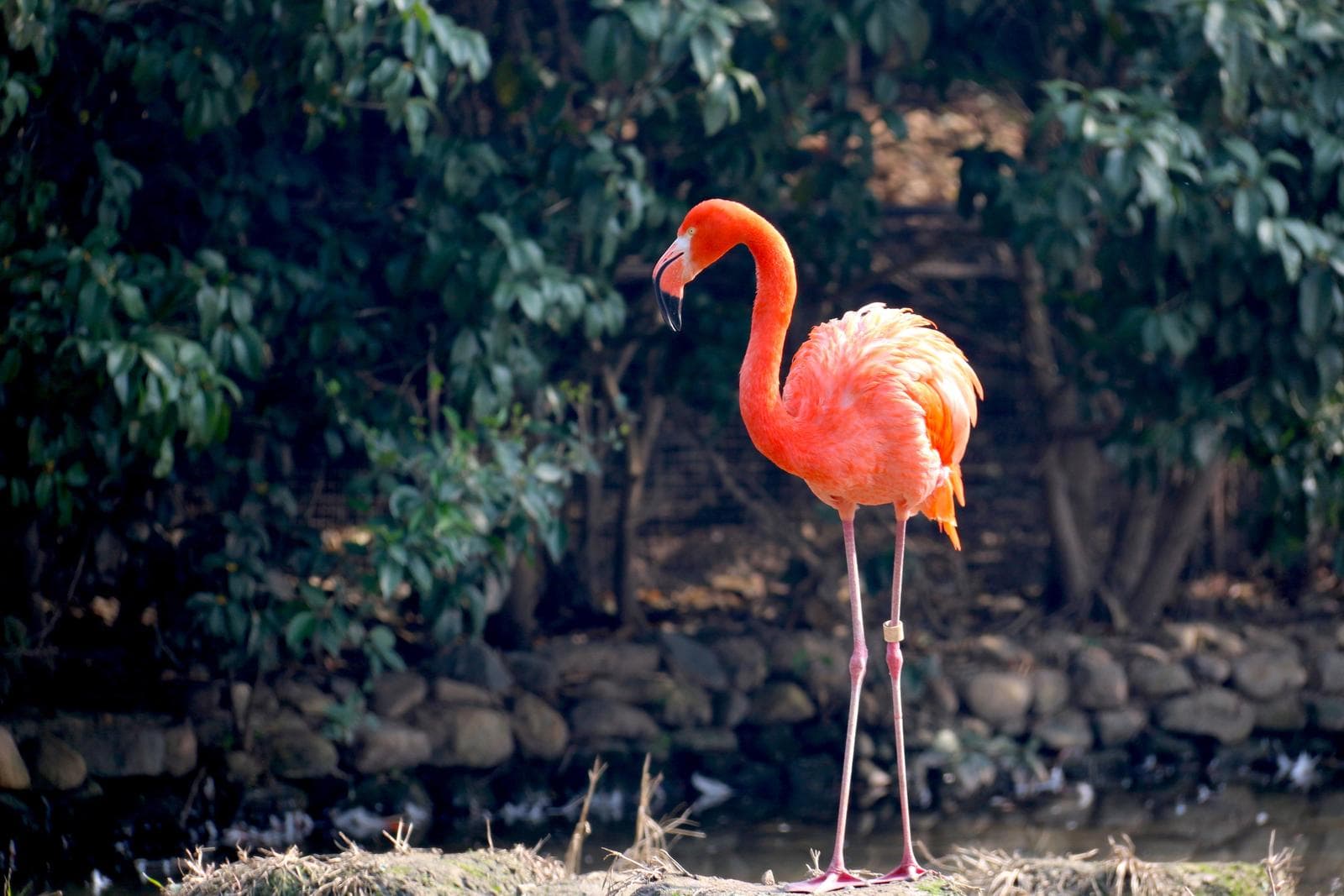
Plates, portraits and flocks each lighten a wall differently. Match the bird to the room — and leave it air, sky and space around the frame.
This is the subject that performs rather than whispers. One jewel-toned piece, a calm wall around it and no rivals is usually the whole recipe.
Skip the beach umbrella: whales, turtles and reefs offer ocean calm from below the surface. Check the water around the creature before you buy.
Done well, this is serious landscape and portrait photography in warm light — not a lodge theme. Let the art be the room's only safari reference.
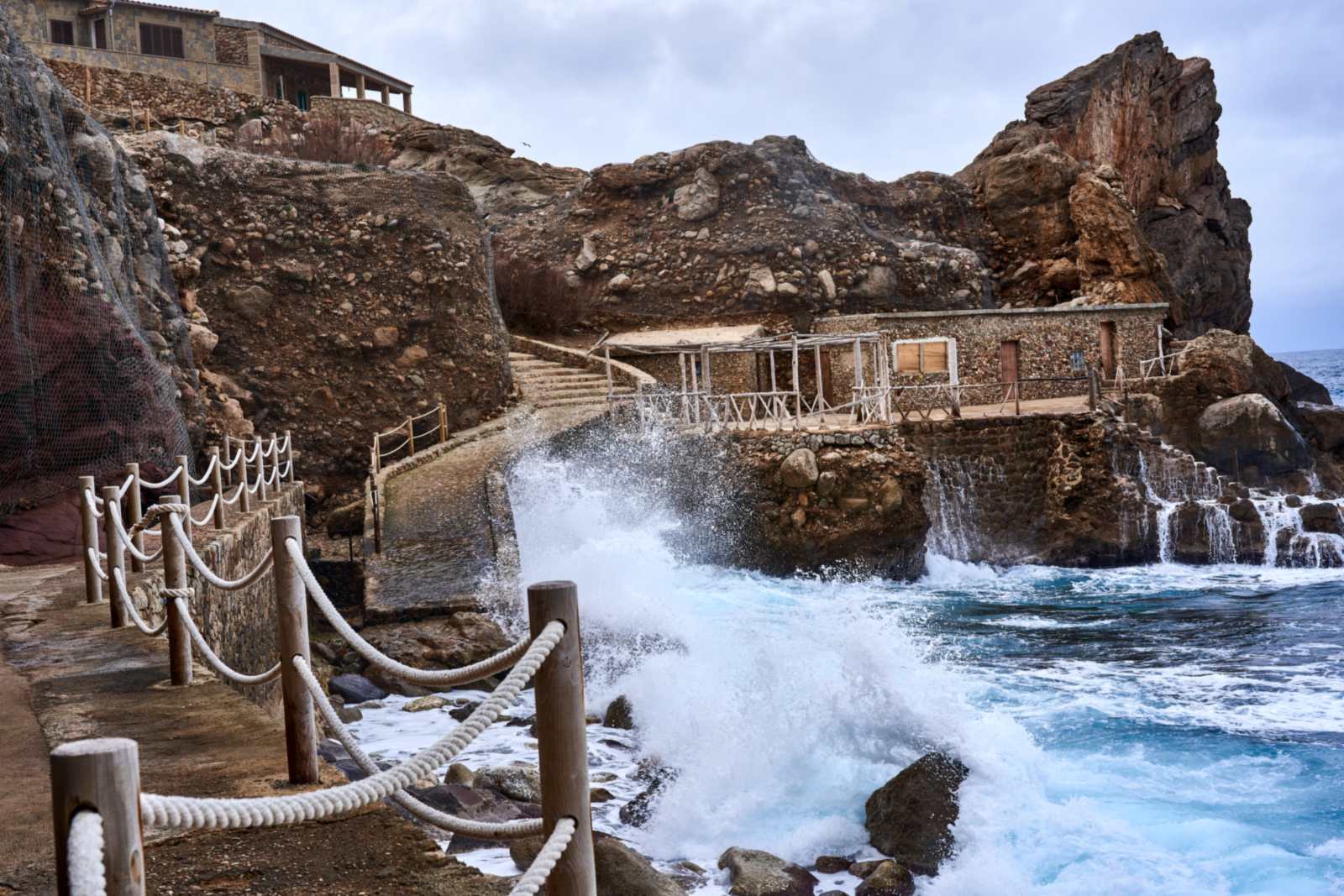
Forget the distressed BEACH sign. Muted seascapes, shorelines and harbours can calm a room anywhere, even a hundred miles from the sea.
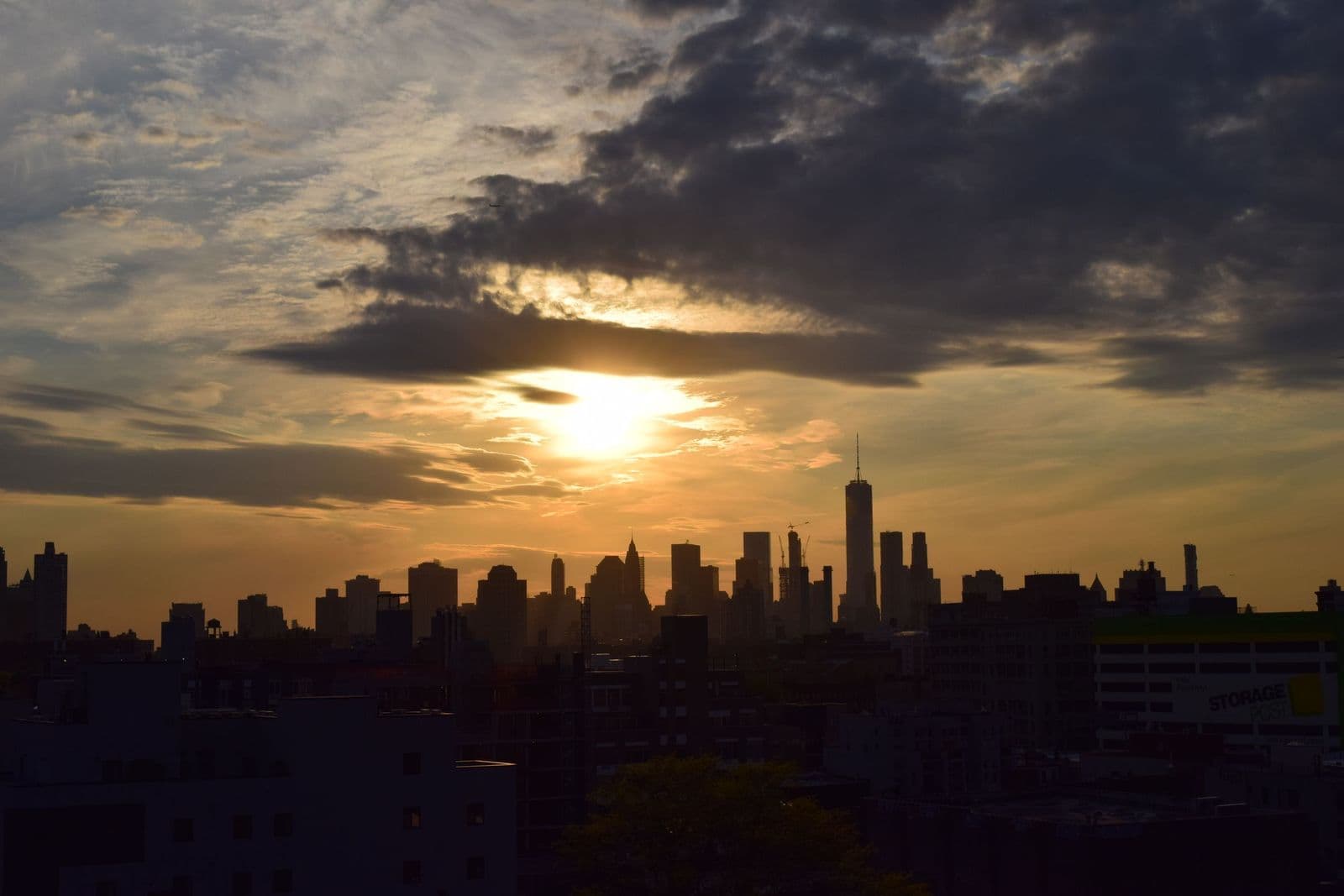
Decide the distance first — a distant skyline reads as calm pattern, while a street-level view rewards close looking — and the rest of the choice gets easier.
Name your relationship to the city first — resident, leaver, or dreamer — then choose streets, a quiet icon, or a big view that fits that story.
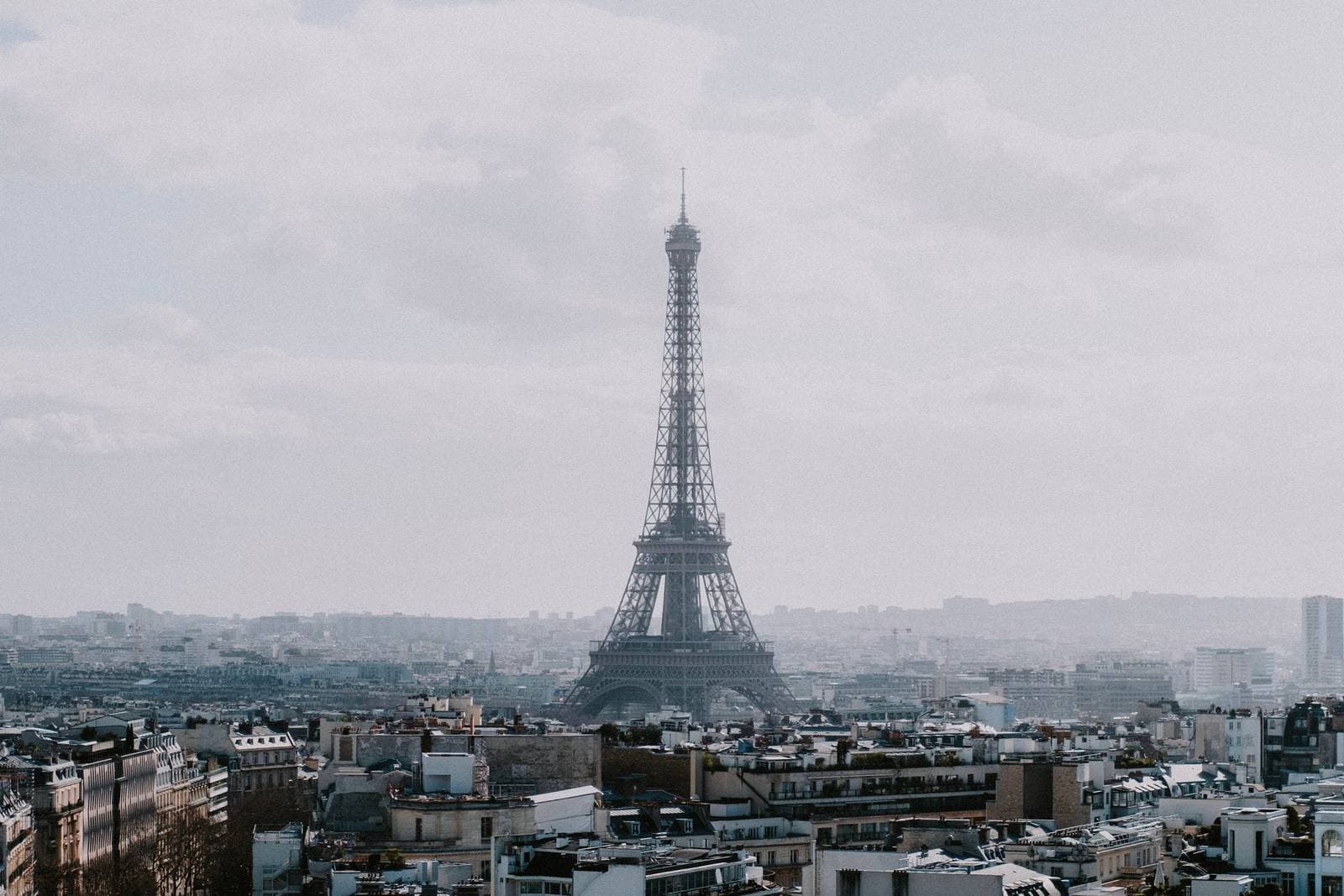
The most Parisian view may be its rooftops — zinc, chimneys, and soft grey-gold light — rather than a tower centered on a pink sky.
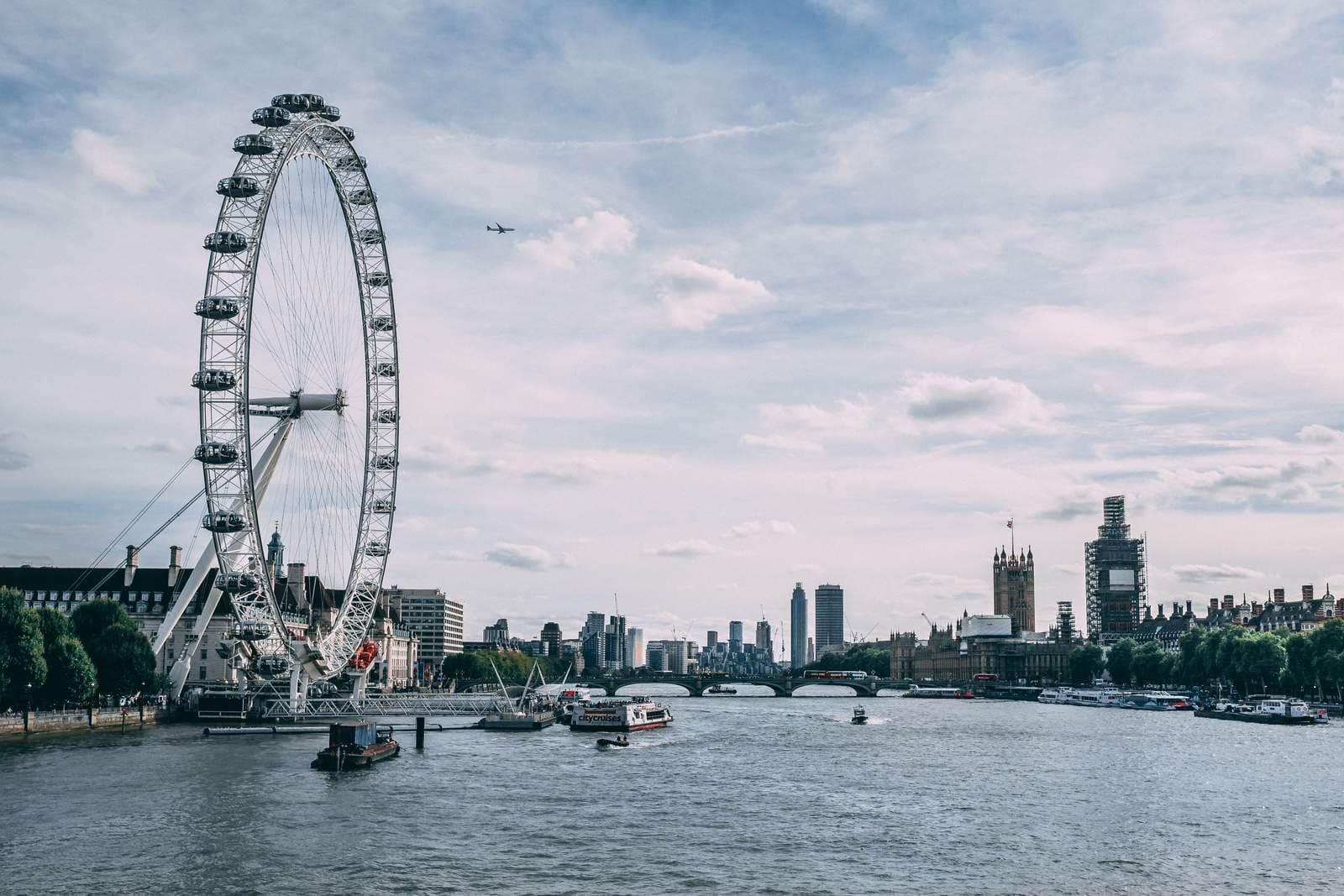
Grey does the work here: pearl, slate, and fog, with a single red accent counted carefully — one bus or box, placed off-center, is enough.
A good photo print works like a window, so judge it from where you'll actually sit — and match its size and surface to the detail it can honestly carry.
Build it at the speed of your travels, one park at a time, and let the empty spaces stay — they're part of the record, not a set to complete.
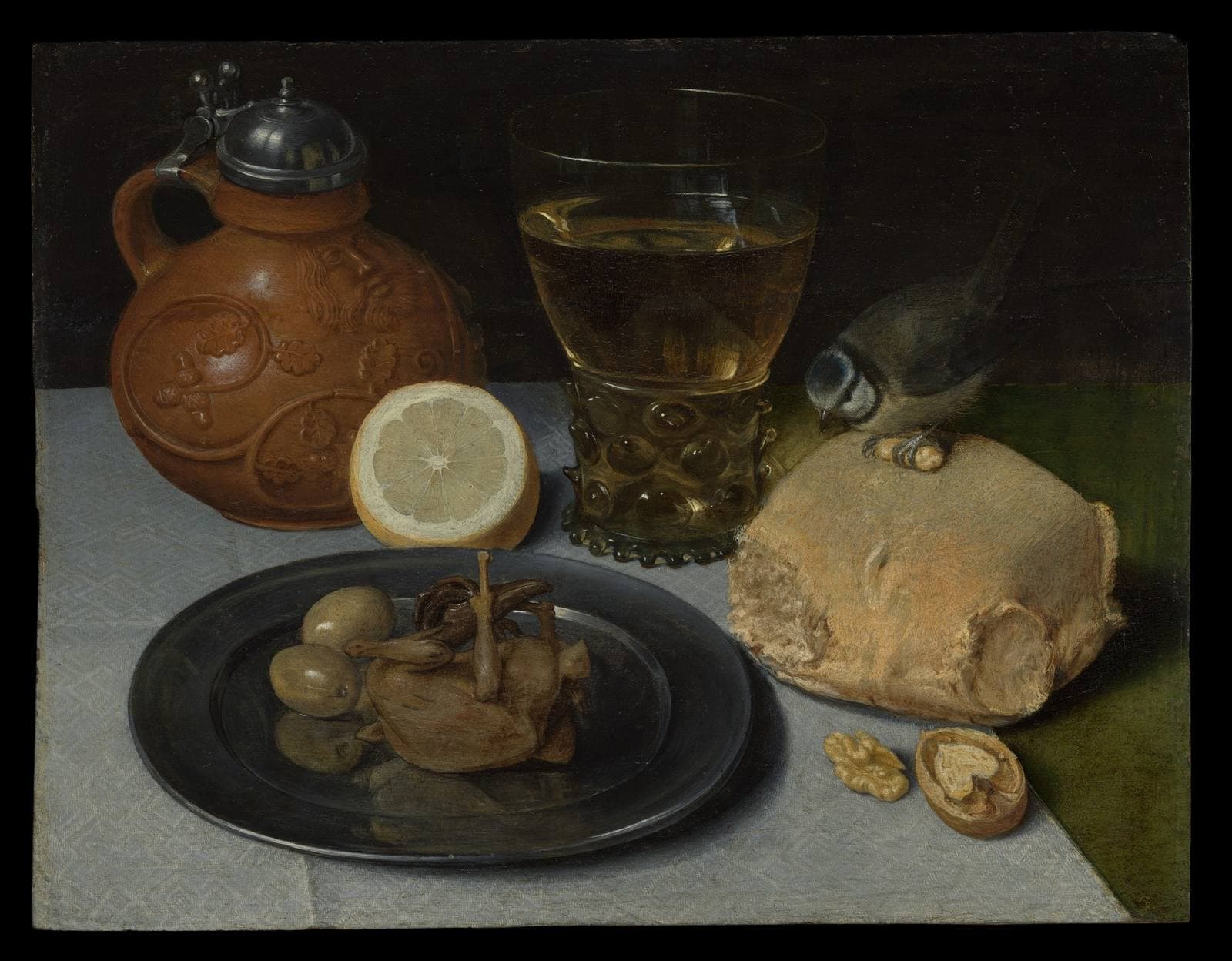
Because every object was chosen and placed, a still life settles a wall — especially where you sit for a long meal and see it up close, in lamplight.
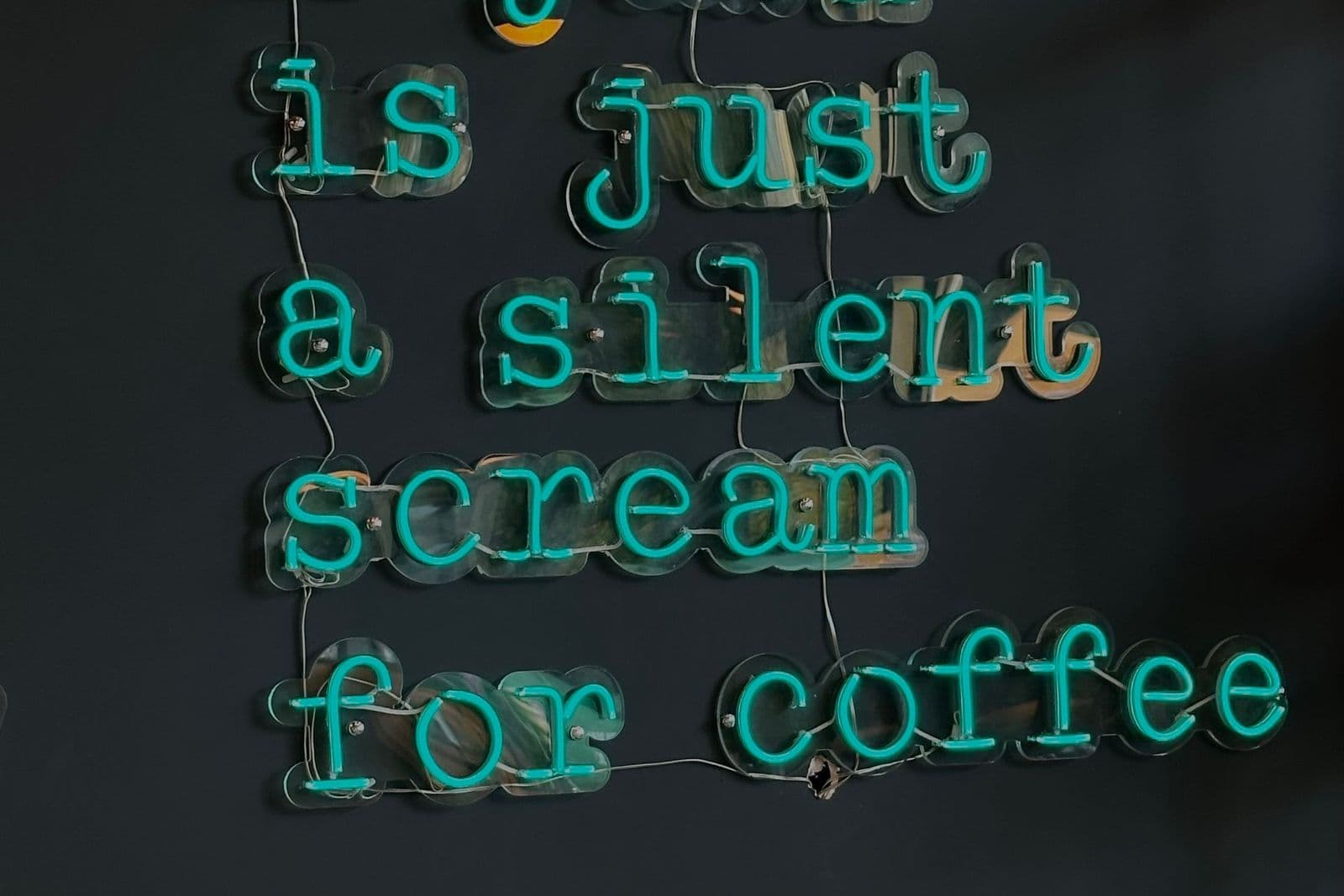
Read it aloud in the room before you hang it: a line on a wall gets read every day, so it has to survive the hundredth reading, not just the first.
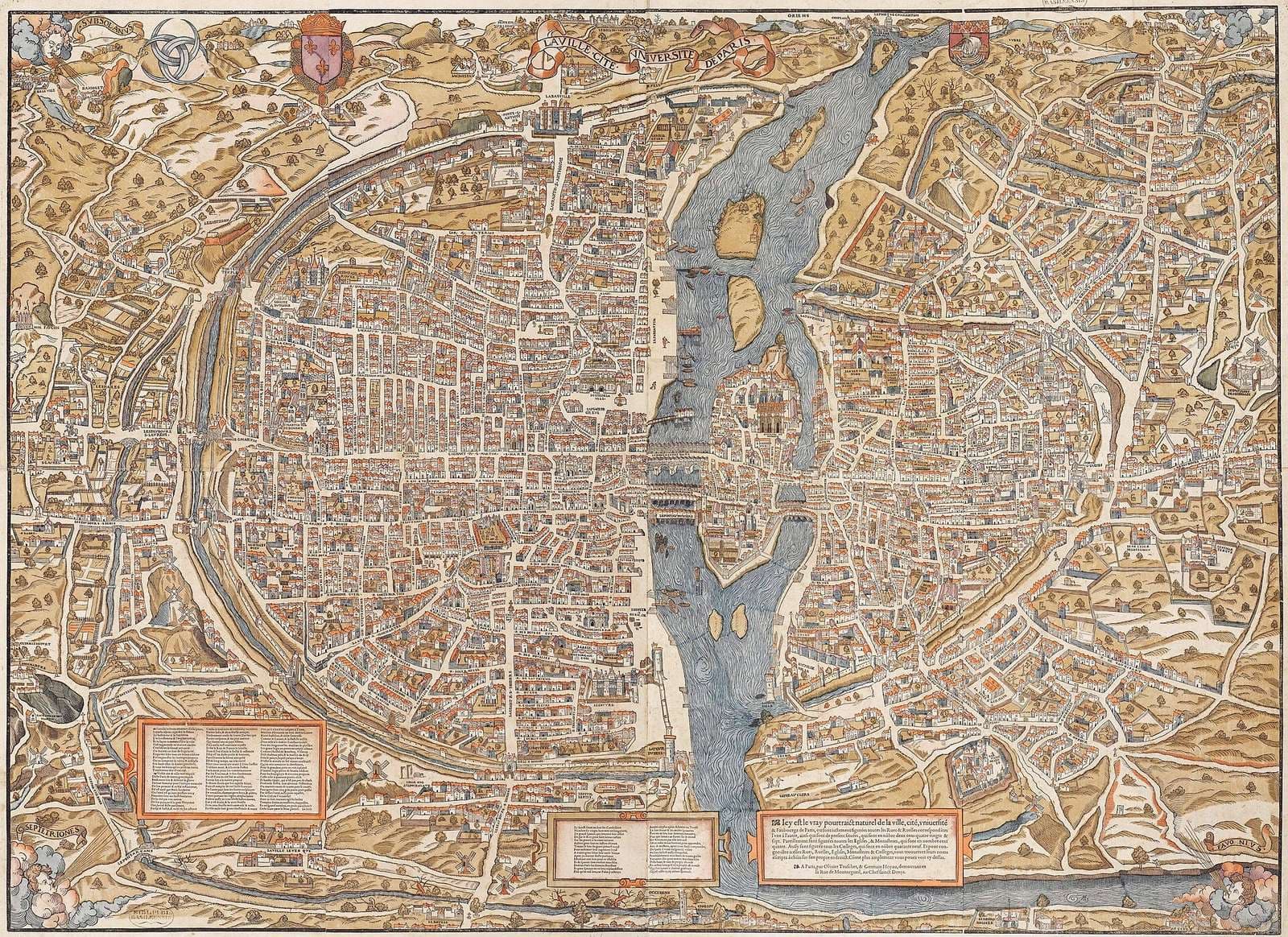
Pick the place with a story over the prettier coastline, then print it large enough to actually read — a map too small to follow has stopped being a map.
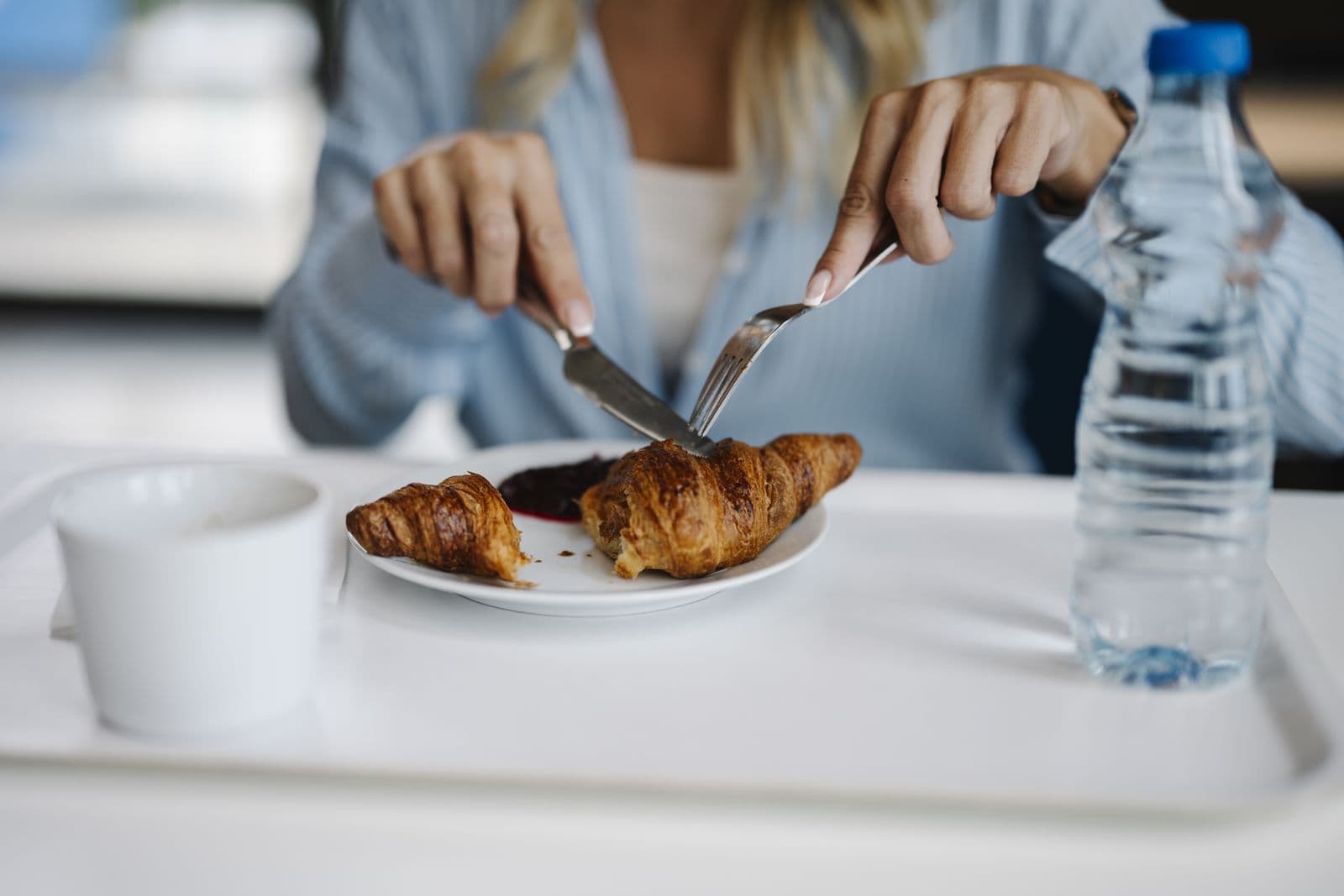
It stays tasteful when it honors where food comes from — a market, an ingredient, a ritual — rather than simply picturing what's on the plate.