Blog
Page 2 of 6 — guides 19–36 of 108 in the library.
You visit in short bursts and always stand two feet from the wall, so one simple, bold image beats a scattering of small frames you can never step back from.
Tiny art does not make a small room feel bigger — it makes it feel tentative. Fewer pieces, sized to the furniture, are what modest walls actually ask for.
Start with the lease, not the art: what it permits decides whether peels, adhesive strips, a ledge or simply leaning a large piece is your route.
Without walls to end one room and start the next, each zone needs its own anchor — different subjects, one shared thread, and nothing drifting across the line.
Nobody stands still in front of this wall — art here is met mid-step, at an angle, in dim light, so the arrangement has to climb at the same rhythm as the stairs.
It looks simple from the sofa, but the weave, the ink, and the hidden wooden bars decide whether it stays taut and quiet or starts to sag.
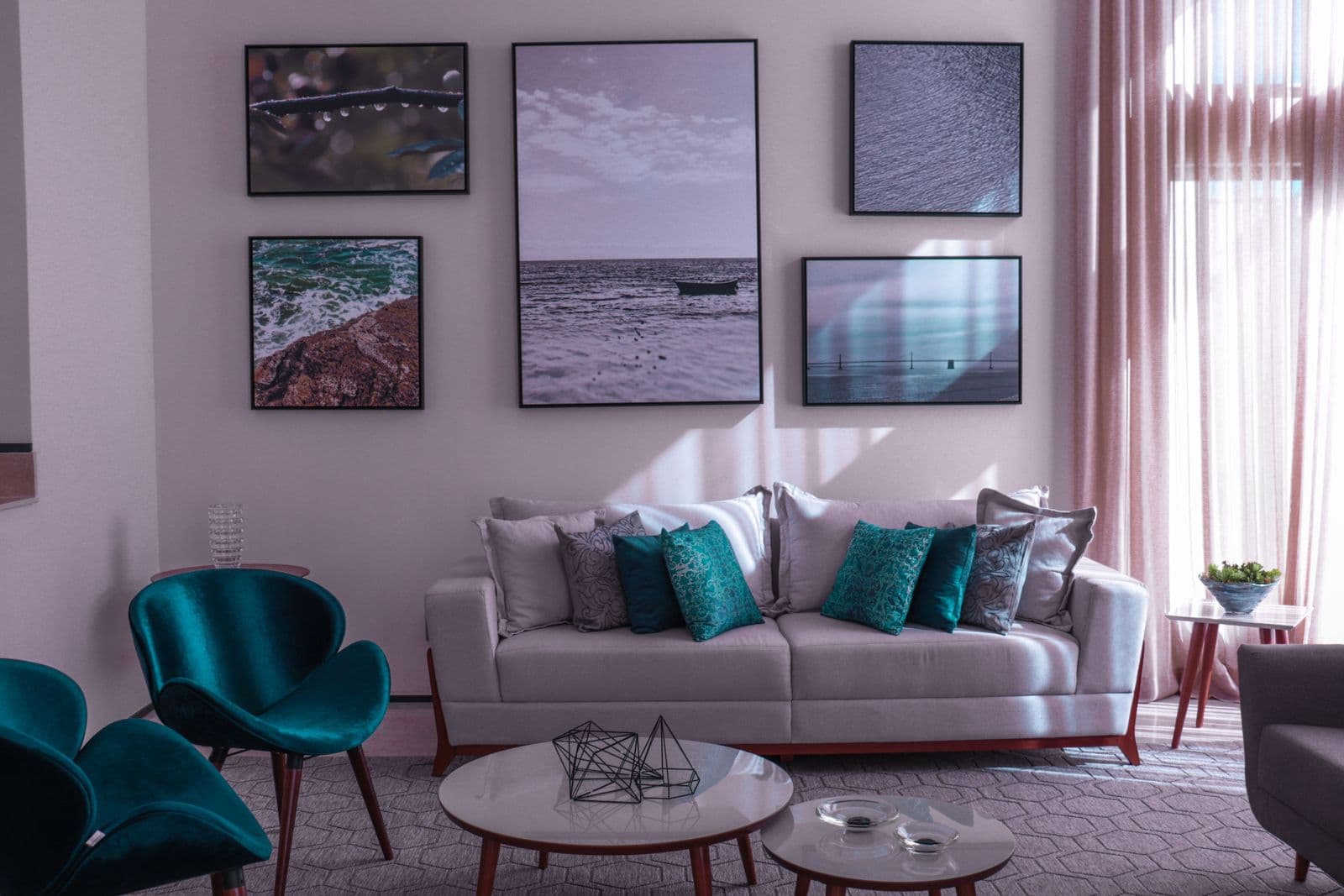
They are the same print underneath. The only question is whether your room wants the picture to run edge to edge or end with a deliberate line.
One is a woven textile, the other dye locked inside aluminum. Which one flatters your picture depends less on taste than on light, detail, and steam.
One surface pulls your eye in with depth and saturation; the other lets it rest. The room's windows may have already made the choice for you.
Paper asks for a frame and careful handling, and in return gives the closest, finest look at a picture of any surface in the house.
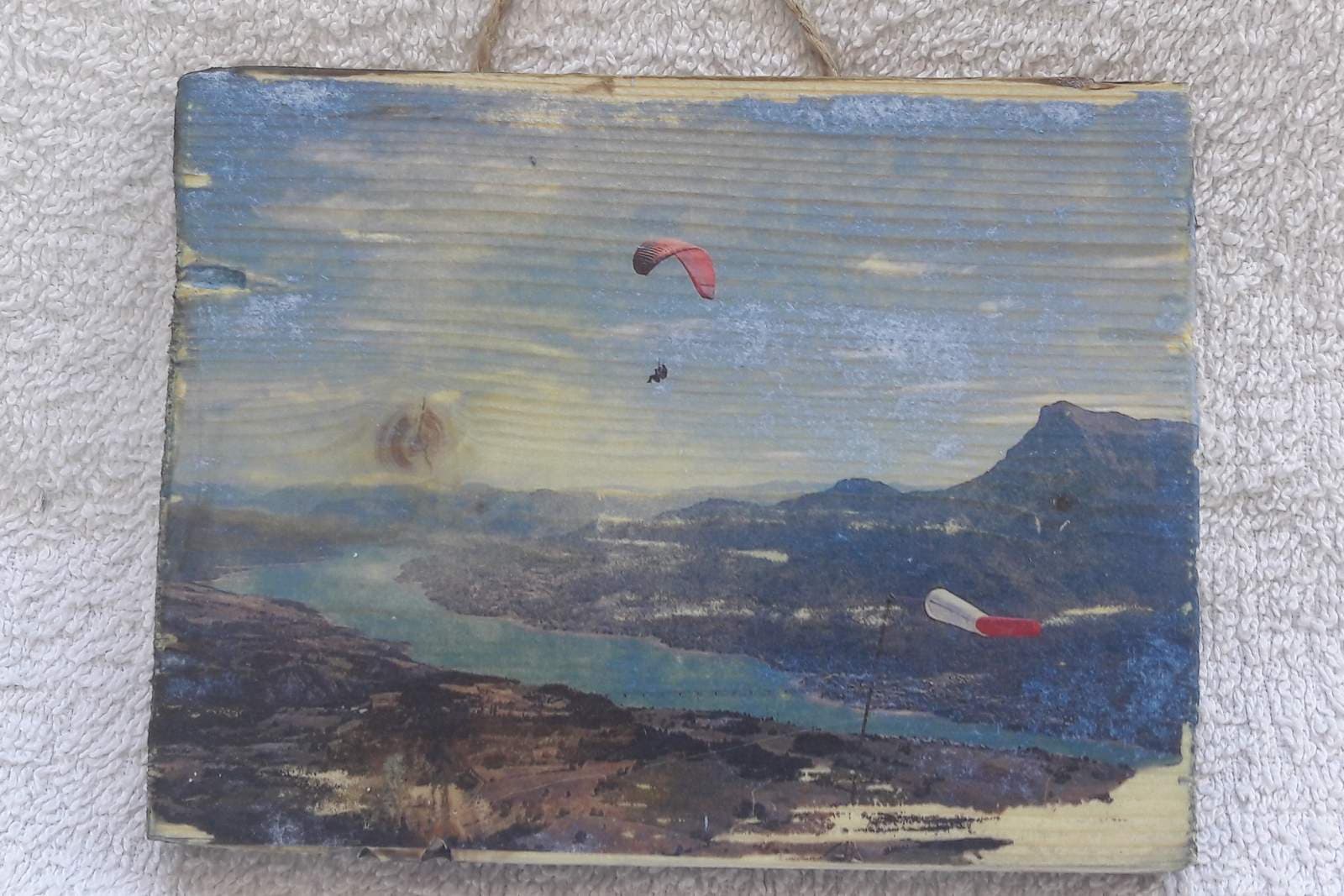
Here the picture does not hide its surface at all — pale areas let the timber show through, so every panel comes out slightly one of a kind.
The image lives inside a hard coating rather than on top of paper, which is why this surface shrugs off steam, splashes, and passing hands.
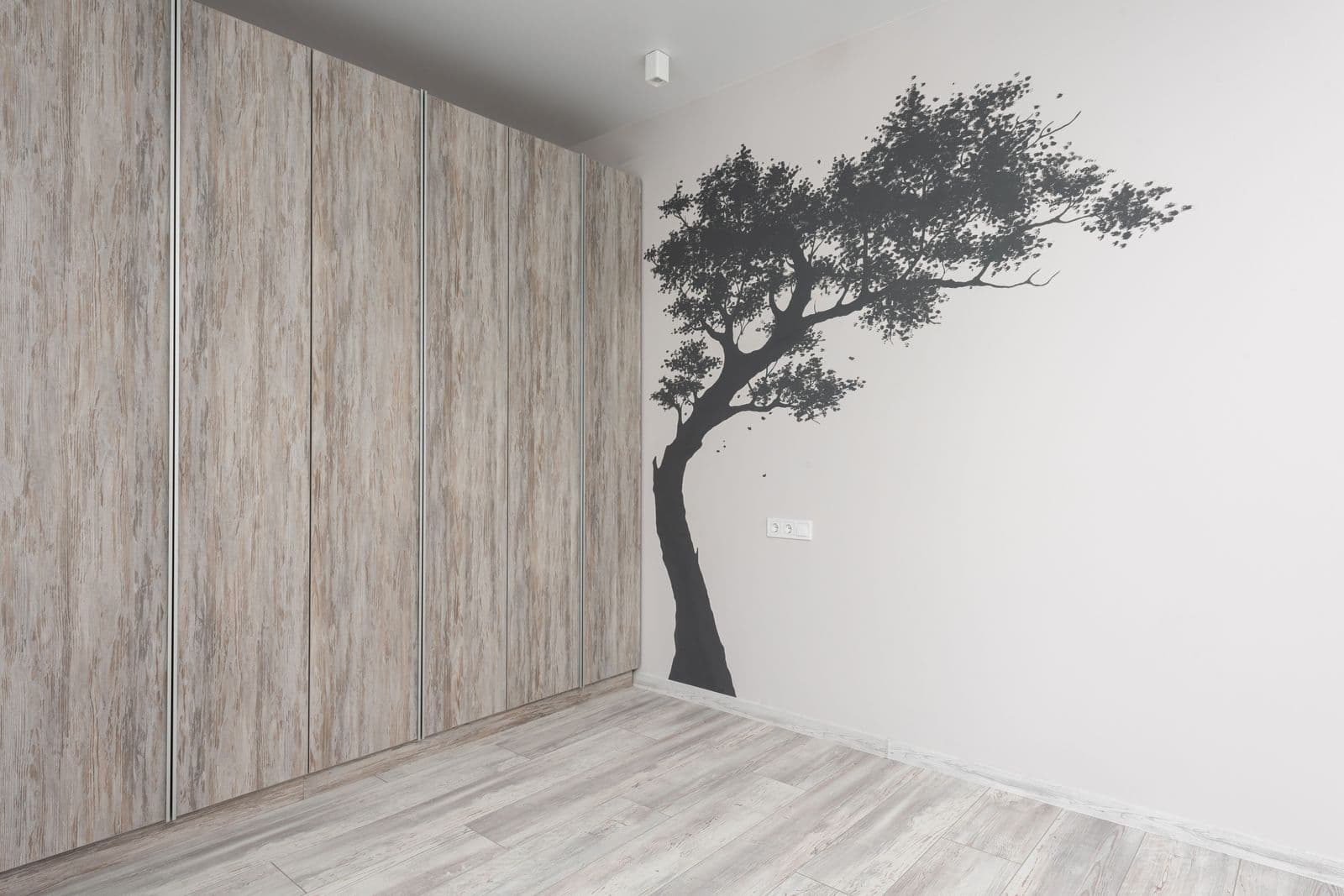
No nails, no frame, and a clean exit when you leave — as long as the wall underneath is smooth, sound, and fully cured.
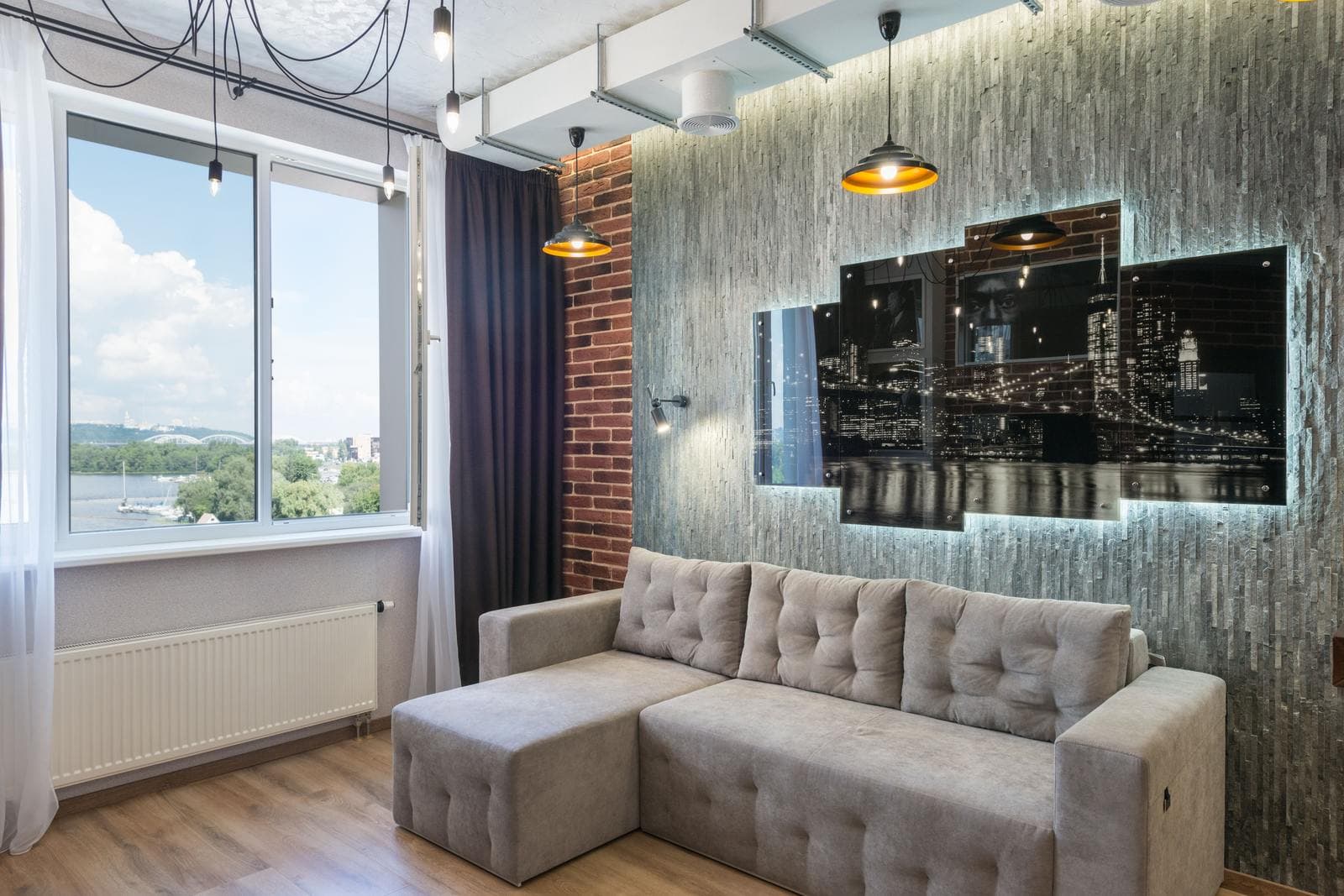
Split a wide scene well and the gaps feel like window bars. Split it through a face or a lighthouse and they just feel like damage.
A good landscape works like a window the room never had. Learn to judge its horizon, its layered depth and its light before you fall for the view itself.
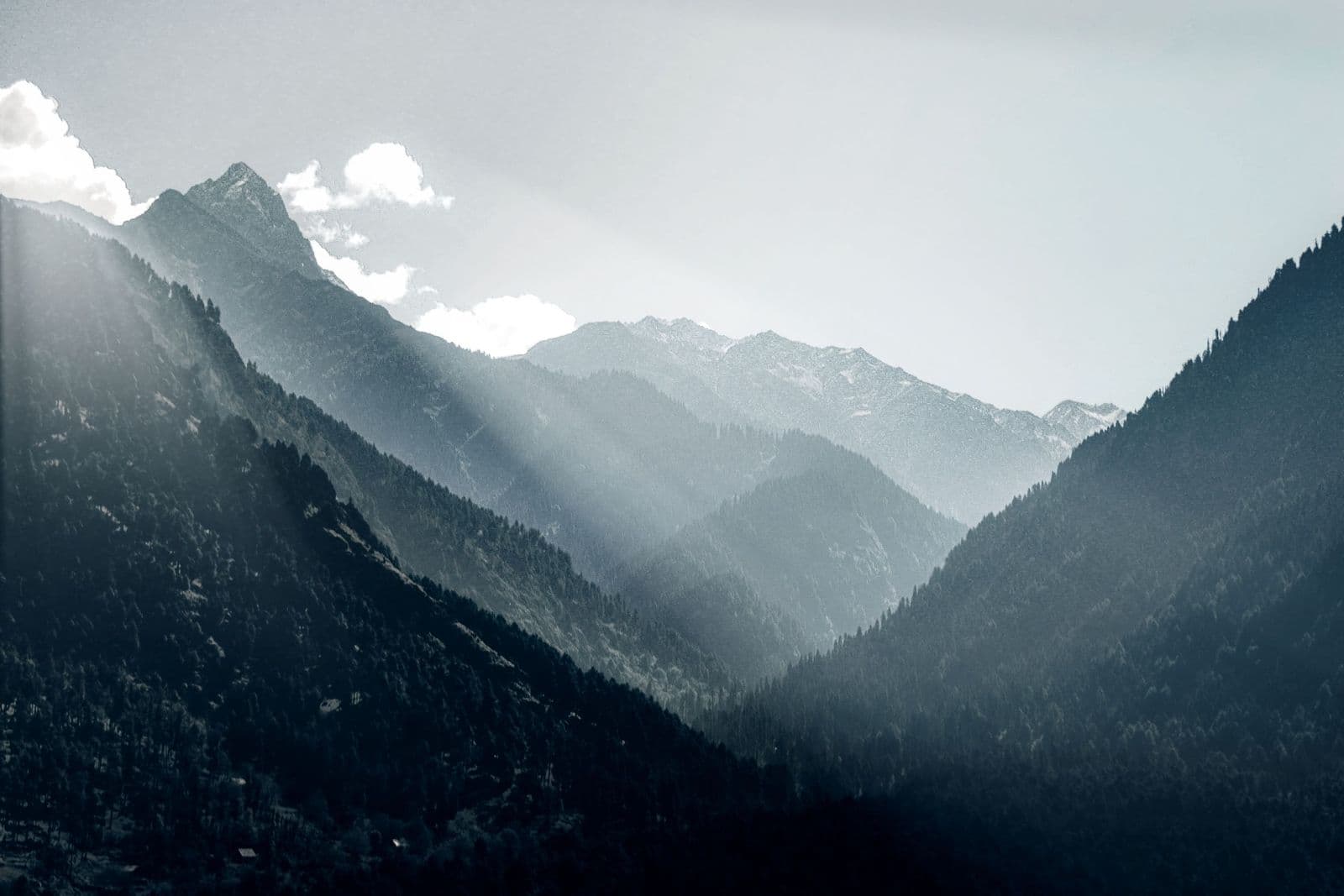
Peaks can give a room its centre of gravity — or make it loom. Misty or graphic, valley or summit: here is how to choose the version your wall can hold.
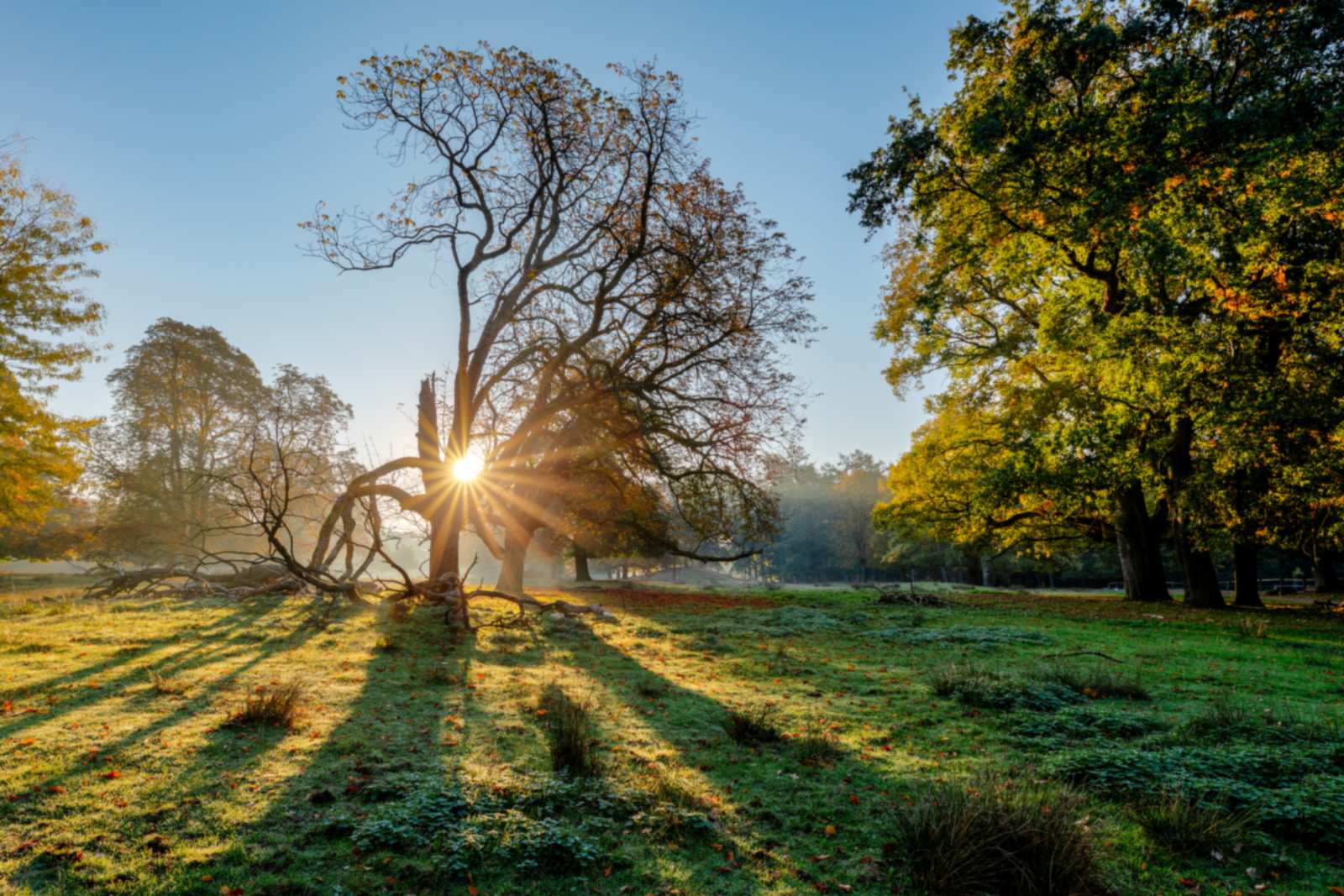
Other views put you in front of them; a forest puts you inside one. Pick the kind of enclosure you want, then check its layers and its greens before hanging it.
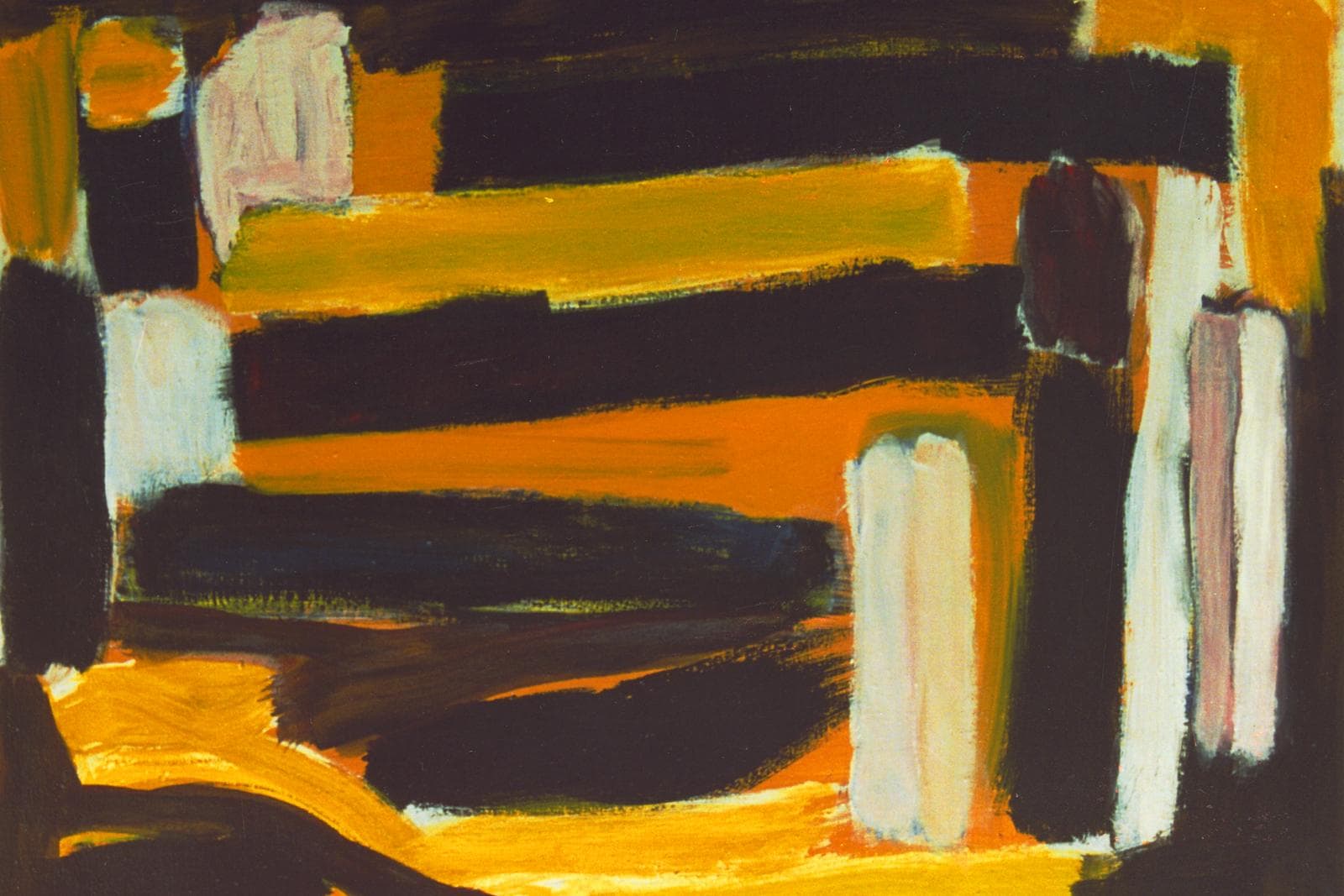
There is nothing to decode here — colour, gesture and scale do all the work. A practical way to read an abstract and know whether a wall wants it bold or quiet.